

Iceland travel guide
Driving in Iceland: the safety guide
Iceland's roads are stunning and unforgiving. Here's everything you need to drive safely on your campervan trip — speed limits, F-roads, one-lane bridges, weather hazards, and the damage insurance won't cover.
Before you set off
In Iceland you always need one eye on the weather — it changes fast and dictates what's safe. Check the forecast and live road conditions every morning.
Check the weather
Conditions turn quickly. Get the forecast at vedur.is before and during your trip.
Check road conditions
Live road status, closures and surface warnings at road.is. Plan around them.
Toll tunnels
The Vaðlaheiði tunnel (near Akureyri) is a toll tunnel — pay online any time from 24 hours before until 24 hours after you drive through, or you'll be fined.
Speed limits
The speed limit on the ring road is 90 km/h. On gravel roads — and on the highway through Reykjavík — it drops to 80 km/h. In towns, or wherever there's no sign, assume 50 km/h. Speeding fines in Iceland are steep.
F-roads & restricted roads
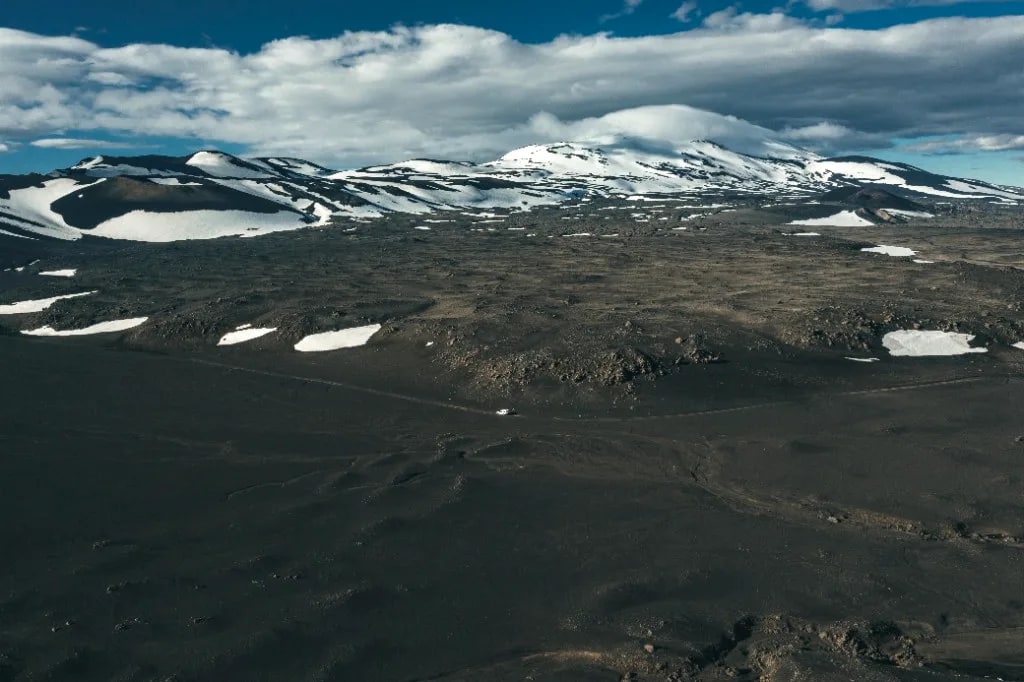
2WD cars are NOT allowed on F-roads
Mountain “F” roads require a 4×4 and are unsuitable for 2WD vehicles — driving one there voids your insurance. Some are closed to all vehicles: F249, F210, F35 and F208 (south side). Always confirm openings at road.is before heading inland. If water is on the track, read the river-crossing guide first.
Road types & driving rules
One-lane bridges (Einbreið brú)
The ring road has 39 one-lane bridges. There are no signals — check the far side for oncoming cars before you commit. The rule: whichever car is closer to the bridge has the right of way.
Gravel roads (Malbik endar)
Iceland has many gravel roads — often narrow. Slow down and pull to the side when a car approaches. Going too fast lets the wheels dig into loose gravel, which can send the car off the road.
Weather hazards & common damage
The three most common — and most expensive — ways guests damage a camper, and how to avoid each.
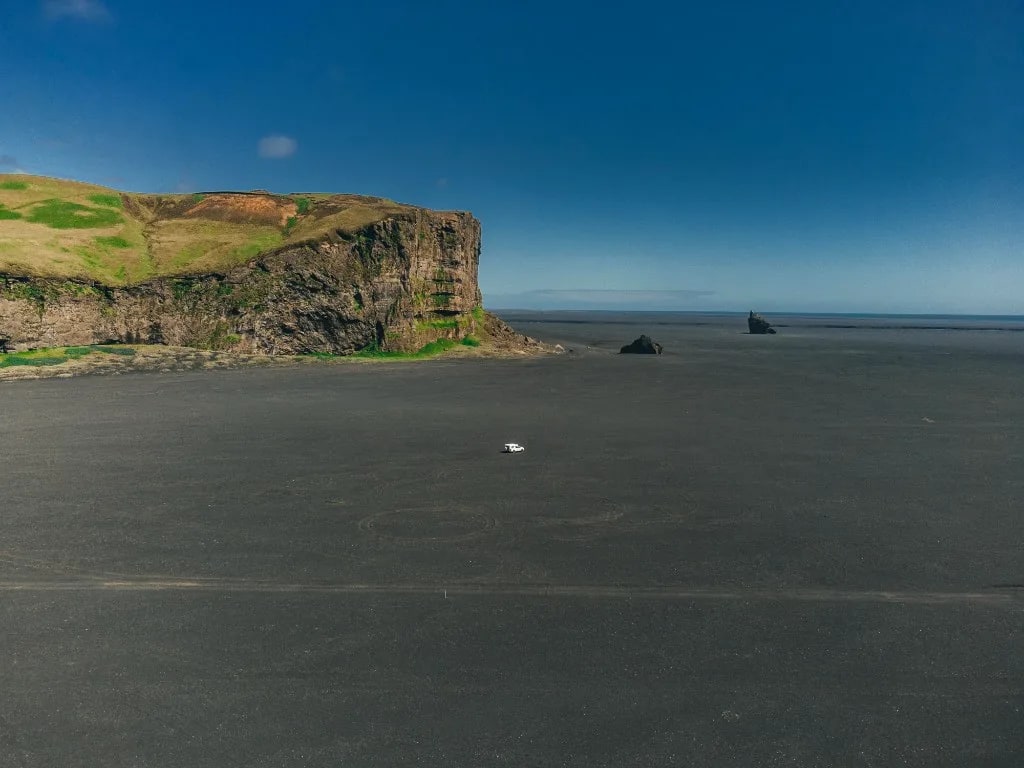
Flying gravel & windshield chips
Roads are full of loose rocks. Keep plenty of distance from the car ahead so kicked-up gravel doesn't hit your windshield — chips and cracks are the single most common damage on Icelandic roads.
Strong wind & car doors
Iceland's wind is fierce. A gust can rip an opening door clean off its hinges — expensive, and easily avoided. Always hold the door firmly when opening and closing it.
Sandstorms
In strong winds, blowing sand can strip paint and cause costly damage. If you feel sand hitting the side of the car, don't stop — keep driving forward until you're clear of it.
Not covered by any insurance
A few things no rental insurance in Iceland covers: engine damage from negligence, water damage from driving into a river or the sea, and damage to the underside of the car. The good news — these are the easiest to avoid, and the big one is simply never driving into water. Our Terms & Conditions set out exactly what your cover includes.
Ready for the road?
Every Foxie camper comes with unlimited km, a 24/7 desk in Iceland, and free Keflavík pickup.
In an emergency, call 112. This guide is general advice — always follow current signs, weather (vedur.is) and road conditions (road.is).