

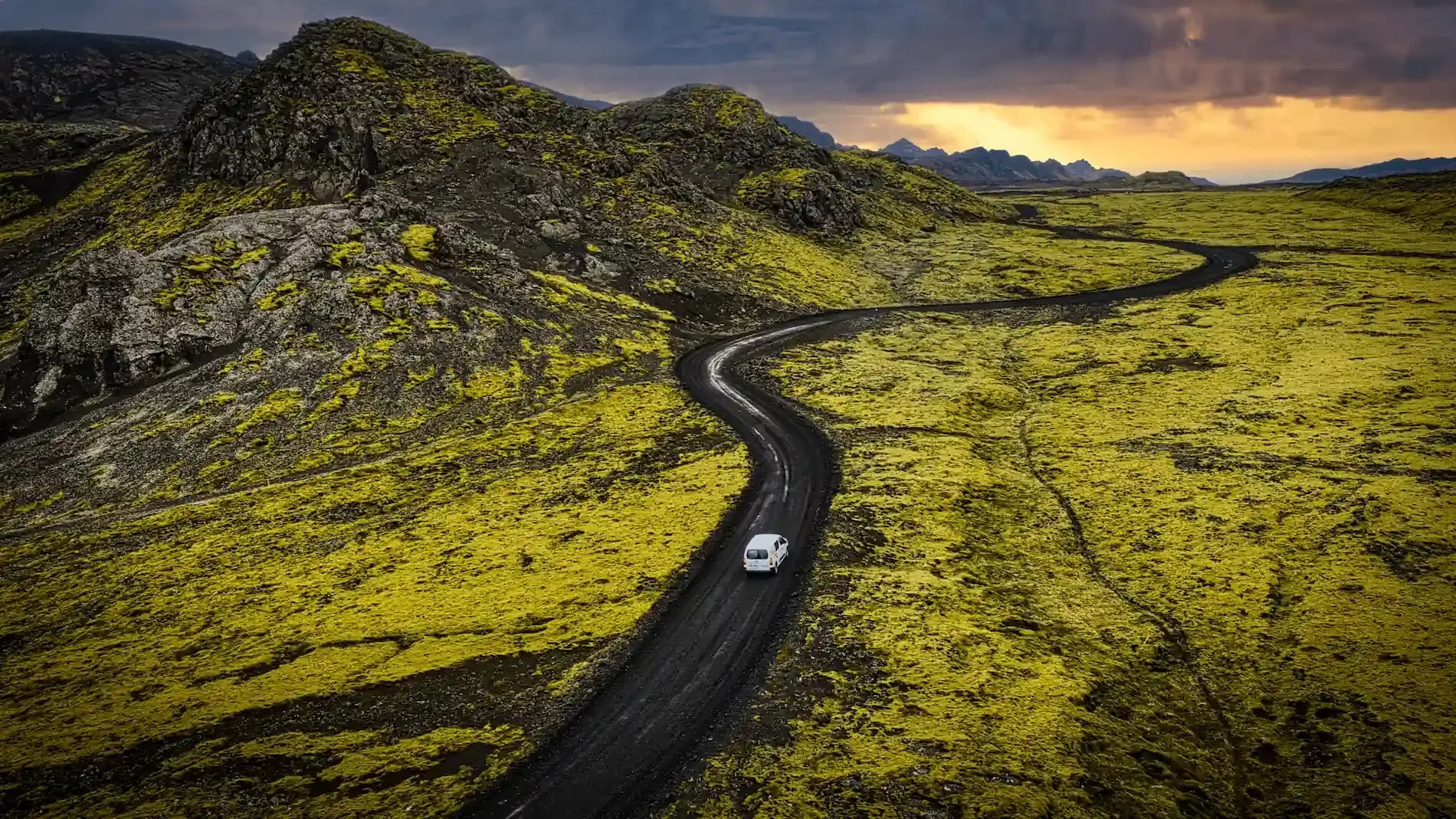
Westfjords · Campervan Routes · Safety · 2 or 3 Travelers
A Westfjords campervan trip is one of the best ways to explore Iceland's most remote and spectacular region. This guide will help you plan a Westfjords campervan trip with driving tips, route suggestions, campsites, and practical advice to make your journey safe and unforgettable.
The choice of campervan matters more in the Westfjords than on many other Iceland routes. For two travelers, the Premium 2 campervan is the best Foxie Campers choice because it has automatic transmission, sofa-to-bed comfort, quiet thermostat heating, 1 kWh onboard power, and a 24-litre fridge. For three travelers, the Trafic 3 campervan gives three seats, sleeping space for three, Webasto heating, and the same strong off-grid power setup.
Westfjords Iceland Campervan Guide: Routes, Safety and Best Campervans
Plan a safer and more comfortable Westfjords campervan trip with route advice, road safety, campsite planning, and the right Foxie Campers campervan for your group.
5–7 daysRecommended time
2WD OK Main roads, summer
Slow roads Plan extra time
Jun–Sep Best season
From €109/dayPremium 2 campervan
⭐ 5 / 5 on Google
🇮🇸 Local Icelandic company
🔋 1 kWh off-grid power included
🔥 Diesel heating in every van
📞 24/7 roadside support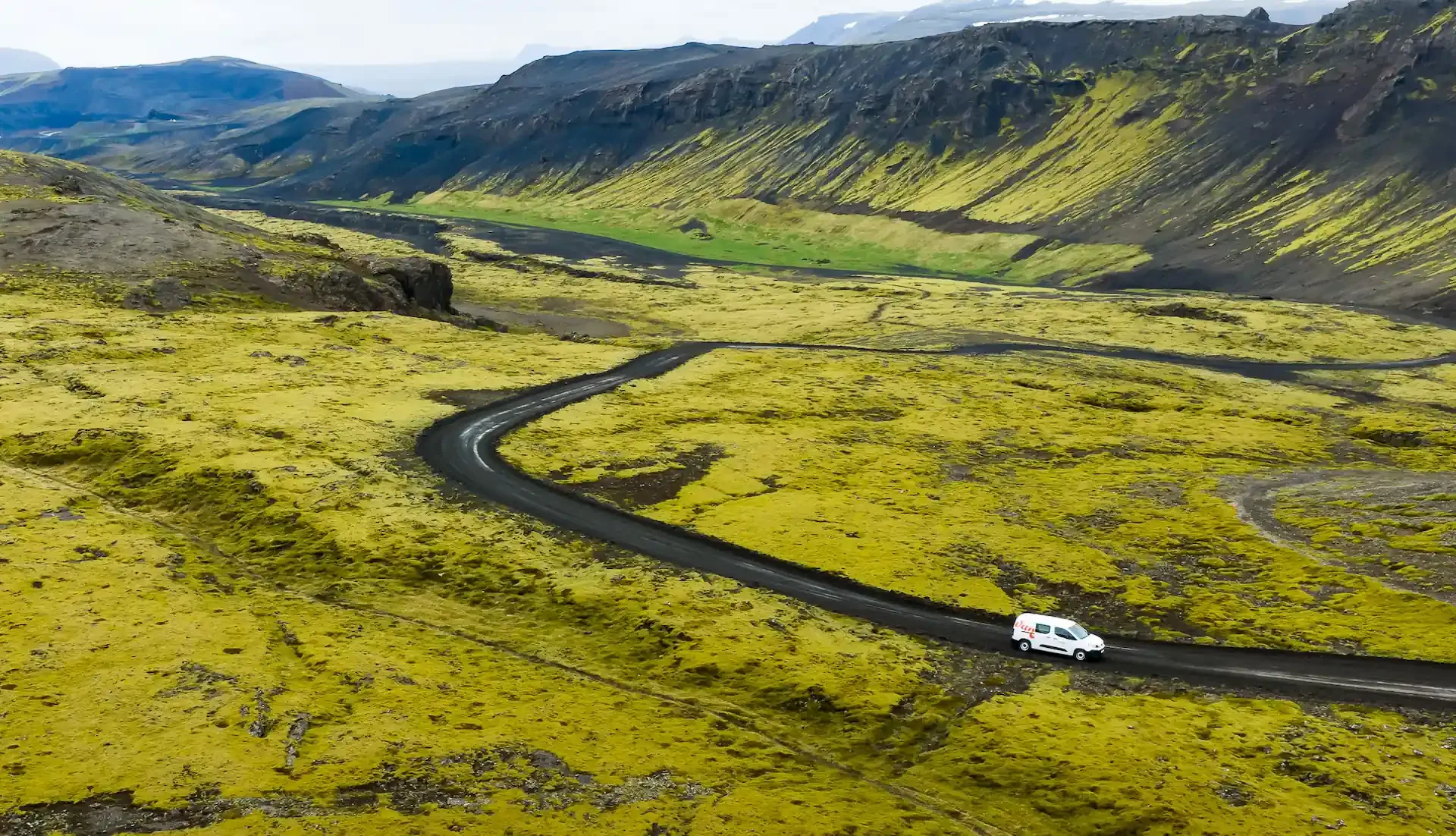
Traveling as two people? Choose the Premium 2 campervan — automatic transmission, sofa-to-bed comfort, quiet thermostat heating, 1 kWh off-grid power, and a 24-litre fridge. From €109/day.
Traveling as three people? Choose the Trafic 3 campervan — three seats, sleeping for three, Webasto heating, and strong off-grid power. From €129/day.
Why This Westfjords Iceland Campervan Guide Matters
What Makes the Westfjords Different
The Westfjords are ideal for travelers who want Iceland to feel wild, quiet, and spacious. Unlike the Golden Circle or South Coast — built around quick sightseeing stops — the Westfjords reward slow travel. You drive around long fjords, stop at small villages, visit dramatic waterfalls, walk remote beaches, and spend evenings in campsites surrounded by mountains and sea. This Westfjords Iceland campervan guide is designed for travelers who want to explore the region properly, not rush through it. The Westfjords are not about checking off attractions quickly. They are about time, patience, flexibility, and safe driving.Why a Campervan Works So Well Here
A campervan works especially well in the Westfjords because accommodation can be limited in smaller villages. With a campervan, your transport, bed, heating, kitchen, fridge, and power system travel with you. This gives you flexibility without depending on hotel availability in remote areas.Remote Fjords
Long coastal roads, dramatic sea views, and quiet fishing villages give the Westfjords a completely different character from the rest of Iceland.Flexible Camping
Campsites spread across the region make campervan travel practical, provided you plan your overnight stops properly each day.Photography
Cliffs, beaches, waterfalls, mountains, and soft Atlantic evening light make the Westfjords one of Iceland's best photography destinations.Slow Adventure
The best Westfjords campervan trip gives you time to stop, rest, cook, recharge, and adjust plans according to conditions.Is a Campervan Good for a Westfjords Iceland Campervan Guide Route?
When It Works Well
Yes, a campervan is a strong choice for the Westfjords when you travel in the right season, stay on permitted roads, and avoid planning too much driving each day. A 2WD campervan can handle many normal Westfjords routes during suitable summer conditions. However, some roads are narrow, some are gravel, and mountain sections require slower speeds than many visitors expect.- You are visiting mainly between June and September.
- You allow at least 5 days for the Westfjords section of your trip.
- You stay on paved roads and normal permitted gravel roads.
- You check road and weather conditions every morning before driving.
- You drive slowly on gravel and mountain road sections.
- You stay overnight at legal campsites only.
When You Should Reconsider the Westfjords by Campervan
Avoid the Westfjords by campervan if you have only one or two spare days, if the forecast shows strong wind or severe weather warnings, if mountain roads are still closed from winter, or if you are not comfortable driving slowly on narrow or unpredictable road surfaces. In those cases, it is better to save the Westfjords for a future trip.
Important: Always check road conditions before driving in the Westfjords. Some mountain roads can remain closed until late June or longer due to snow and muddy ground. Check road.is, vedur.is, and SafeTravel.is before starting each driving day.
Best Campervans for a Westfjords Iceland Campervan Guide Trip
Choosing the Right Vehicle for the Westfjords
The best campervan for the Westfjords depends on your group size and driving comfort. For two travelers, comfort and automatic transmission matter because the roads are long, winding, and often slower than expected. For three travelers, sleeping capacity and interior practicality become more important.| Feature | Premium 2 Campervan | Trafic 3 Campervan |
|---|---|---|
| Best for | Couples or two friends | Three travelers or small families |
| Price from | €109 / day | €129 / day |
| Transmission | Automatic | Manual |
| Sleeping setup | Sofa converts to 200 × 130 cm bed | Sleeping setup for 3 travelers |
| Daytime seating | Proper sofa — sit and relax | Practical interior layout |
| Power system | ~1 kWh Foxie Campers Power System | ~1 kWh Foxie Campers Power System |
| Heating | Quiet thermostat diesel heater | Webasto diesel heater |
| Fridge | 24-litre compressor fridge | Fridge included |
| F-road access | Not permitted — 2WD | Not permitted — 2WD |
Premium 2 for Two Travelers
The Premium 2 campervan is the strongest choice for couples or two friends exploring the Westfjords. The automatic transmission reduces driving stress on long winding fjord roads. The sofa-to-bed layout gives you a real place to sit inside on rainy days, and the quiet thermostat heating helps you sleep comfortably on cold Westfjords nights. Available from €109/day.Trafic 3 for Three Travelers
The Trafic 3 campervan is the right choice if you are traveling as three people. It includes three seats, sleeping space for three, Webasto heating, full cooking equipment, bedding setup for three travelers, and the same 1 kWh Foxie Campers Power System for charging devices during the trip. Available from €129/day.
Not sure which campervan suits your group? Tell us your travel dates, group size, and Westfjords route and we will help you choose the right vehicle.
Get personalised advice
Best Time for a Westfjords Iceland Campervan Guide Trip
Summer Is the Most Reliable Window
The best time for a Westfjords campervan trip is generally late June to early September. During this period, more roads are open, campsites are more likely to operate with full facilities, daylight is long, and driving conditions are more manageable. Early June can still be affected by snow or recently opened mountain roads, so it requires more careful planning.Month-by-Month Breakdown
June: Beautiful but cautious. Some mountain roads may still be closed or only recently opened. Always check before committing to specific sections of the route. Accommodation at campsites can be quieter and more spacious than peak season. July and August: The safest and most accessible months for most campervan travelers. Campsites are generally open with full facilities, roads are more reliable, and daylight extends well into the evening — often until after midnight at midsummer. September: Excellent for fewer crowds and autumn colours, but weather becomes less predictable and some campsites begin to close. Allow more flexibility in your daily plans, bring warmer clothing, and have a backup plan if conditions change. Winter: Winter Westfjords driving is not recommended for most campervan travelers. Road closures, snow, ice, strong wind, and limited daylight make this region significantly more demanding than the South Coast in the same season.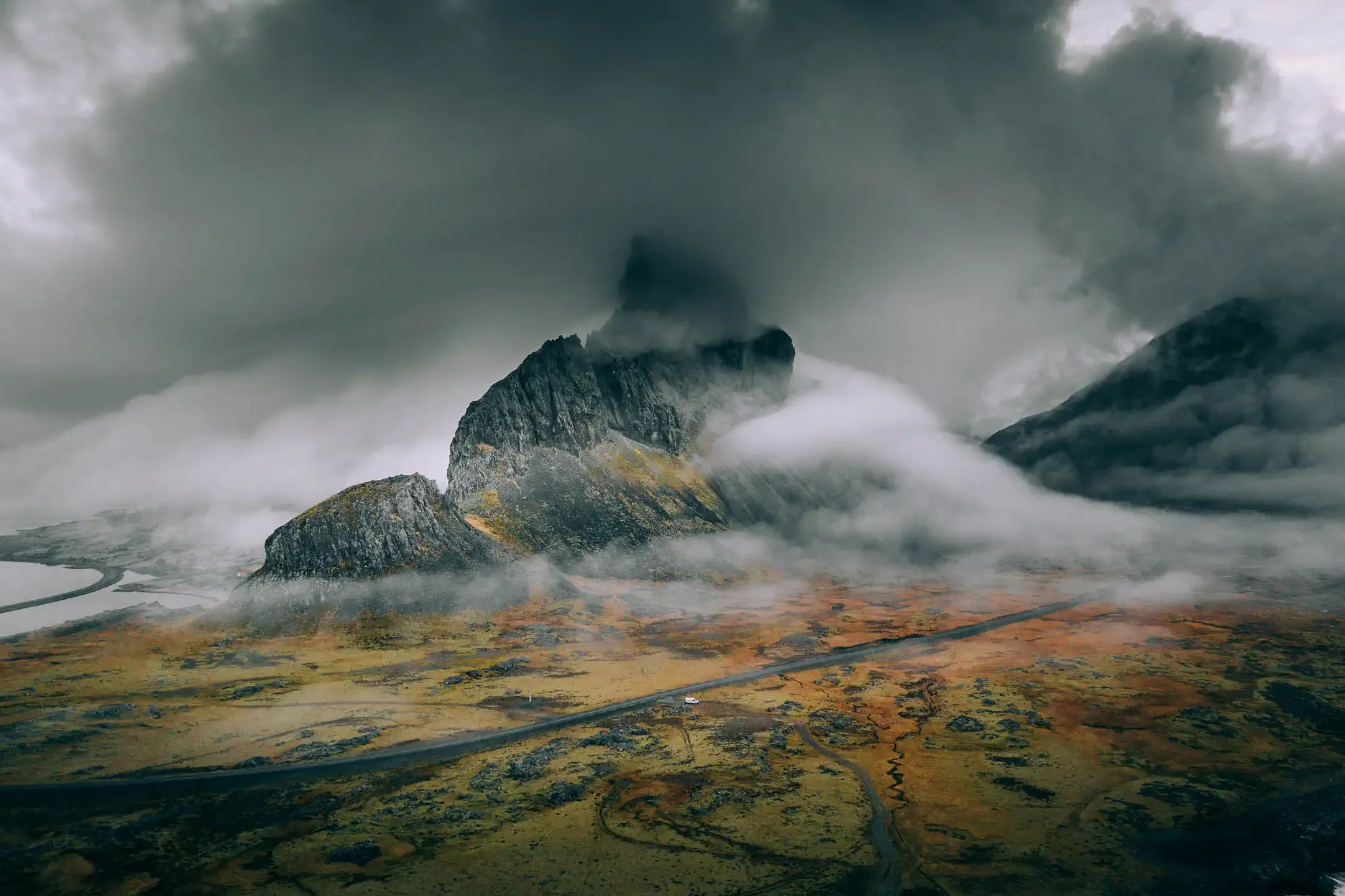
How Many Days Do You Need for a Westfjords Iceland Campervan Trip?
Why the Westfjords Take Longer Than Expected
You need at least 5 days for a meaningful Westfjords campervan route, and 7 days is a much better experience. The most common mistake travelers make is adding the Westfjords as a quick 2-day detour from the Ring Road. On a map it looks possible, but the roads are slower, viewpoints demand time, and the region deserves patience.| Time Available | Recommendation | Best For |
|---|---|---|
| 2–3 days | Too rushed for most travelers | Only a small taste of the southern Westfjords |
| 5 days | Good compact route | Dynjandi, Ísafjörður, Patreksfjörður area |
| 7 days | Best balanced route | Full Westfjords loop with breathing room |
| 10 days | Excellent slow route | Photographers, hikers, relaxed travelers |
Daily Distance Reality Check
In the Westfjords, 100 km can take two to three hours — not one. Fjord roads loop around inlets, gravel surfaces require slower speeds, and stops add up quickly. Plan for 60–100 km of net daily distance rather than the 200+ km you might manage on the Ring Road. The trade-off is that every kilometre in the Westfjords is worth three anywhere else in Iceland.5-Day Westfjords Iceland Campervan Guide Route
Overview of the Compact Westfjords Route
This 5-day route is designed for travelers who want a strong Westfjords campervan experience without excessive rushing. It works best in summer and early autumn when roads are open and conditions are suitable. Total driving is manageable, but each day should include time for stops, weather delays, and slow gravel sections.Day 1: Reykjavík to Hólmavík
Drive north from Reykjavík toward the Westfjords (~250 km, 3–3.5 hrs). Stock up on groceries in Reykjavík before leaving. Stay near Hólmavík or surrounding campsites. This keeps the first day realistic and positions you well for the next section.Day 2: Hólmavík to Ísafjörður
Follow the fjord roads toward Ísafjörður, the main town of the Westfjords. Expect slow, beautiful driving with frequent stops and changing views. Fill fuel in Ísafjörður on arrival — it is the most reliable fuel stop in the region.Day 3: Ísafjörður Area
Spend a full day around Ísafjörður, Bolungarvík, and Súðavík. Use this day to reduce driving, explore on foot, resupply groceries and fuel, and reset your route plan for the next two days based on current conditions.Day 4: Ísafjörður to Dynjandi
Drive south toward Dynjandi waterfall, one of the most impressive waterfalls in Iceland. Allow at least 1.5 to 2 hours for the walk up through the smaller falls and for the main viewpoints. Camp nearby.Day 5: Return or Continue to Snæfellsnes
Return south toward Reykjavík (~4–5 hrs direct), or continue to the Snæfellsnes Peninsula if your total Iceland itinerary allows additional days in this direction.7-Day Westfjords Iceland Campervan Guide Route
The Recommended Route for Most Travelers
A 7-day Westfjords campervan route gives you meaningful breathing room and is the better choice for most travelers. You can drive less each day, spend more time at villages and viewpoints, and avoid turning every day into a long transfer. The extra days also give you weather flexibility — which matters in the Westfjords more than anywhere else in Iceland.Day 1: Reykjavík to Hólmavík
Start the journey north and settle in near the entrance to the Westfjords. Stock up on groceries before leaving Reykjavík — variety reduces in smaller villages.Day 2: Hólmavík to Ísafjörður
Take the fjord roads slowly. Stop for viewpoints, coastal scenery, and small village fuel stops along the way. Arrive in Ísafjörður with time to explore the town.Day 3: Ísafjörður Area
Spend a full day around Ísafjörður, Bolungarvík, and Súðavík. This is a good rest day and a practical day for resupply, laundry, and route review.Day 4: Ísafjörður to Dynjandi
Drive south toward Dynjandi and allow time for weather-dependent stops and variable gravel sections. The road here is particularly beautiful in afternoon light.Day 5: Dynjandi to Patreksfjörður
Continue south and stay near Patreksfjörður or nearby campsites. This positions you well for the next day's highlights in the southern peninsulas.Day 6: Látrabjarg or Rauðisandur
Visit remote highlights only if road and weather conditions are suitable. Drive slowly and plan your return time carefully. Turn back without hesitation if conditions change.Day 7: Return Toward Reykjavík
Return south toward Reykjavík, or connect toward Snæfellsnes if your Iceland itinerary includes more days in the west.Best Places in This Westfjords Iceland Campervan Guide
Key Stops for Campervan Travelers
The Westfjords contain many remote and beautiful places, but the following stops are among the most rewarding and accessible for campervan travelers. Always check road conditions before driving to remote areas because conditions can change after rain or overnight weather.Dynjandi Waterfall
One of Iceland's most impressive waterfalls and the landmark highlight of any Westfjords route. Allow 1.5 to 2 hours for the full walk and viewpoints.Ísafjörður
The main town of the Westfjords — essential for food, fuel, banking, campsites, and route resets. Worth spending a full day here.Látrabjarg Cliffs
Iceland's westernmost point and famous puffin cliffs. Visit only when road access and wind conditions are confirmed suitable — check road.is before setting out.Rauðisandur Beach
A wide, unusual red-sand beach with dramatic surroundings. The access road has a steep descent — check conditions and your comfort level before committing.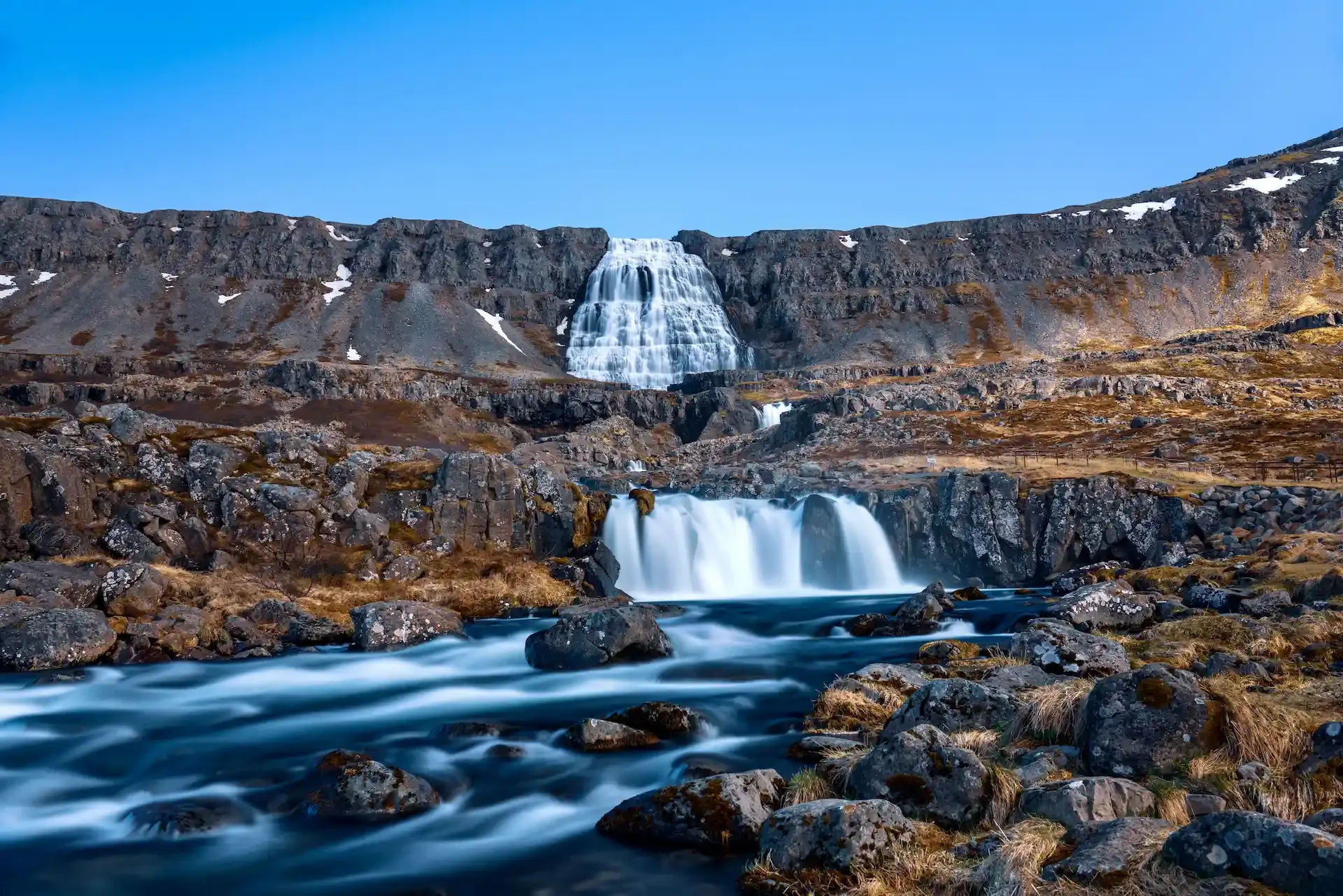
Campsites for Your Westfjords Iceland Campervan Guide Trip
Planning Overnight Stops in the Westfjords
Campervan travelers in Iceland must use legal designated campsites. The Westfjords have campsites spread across the region, but opening dates, facilities, and payment systems can vary by location and season. Always check before relying on one specific campsite, especially if you are arriving late in the evening.- Identify your overnight campsite before the afternoon — not when you are already tired.
- Do not assume every campsite is open outside peak season.
- Carry food and water reserves, especially in remote areas where there may be no shop nearby.
- Use campsite facilities to refill water, empty waste, and reset your campervan every day or two.
- Respect local rules, quiet hours, and waste disposal instructions at every site.
- Have a backup campsite in mind each day in case your first choice is full or closed.
Useful resource: Check official Westfjords accommodation and campsite listings at westfjords.is before your trip. During shoulder season, contact campsites directly to confirm opening dates and facilities before you rely on them.
Westfjords Iceland Campervan Guide Road Safety
Why Road Safety Matters More Here
Road safety is one of the most important parts of any Westfjords Iceland campervan guide. The region is not dangerous when treated with proper respect, but it punishes rushed driving and poor planning. Roads are narrower, gravel sections are longer, weather can change within an hour, and mobile signal can drop in remote valleys. A slower, more patient approach to driving is essential.Check These Sources Before Driving Each Day
- road.is — official road conditions and closures updated daily.
- vedur.is — Icelandic Meteorological Office forecasts and storm warnings.
- SafeTravel.is — travel safety alerts and travel plan registration.
- Download the 112 Iceland app before entering the Westfjords. Register your travel plan and use it to share your GPS location with emergency services when mobile signal is available.
Driving Rules for Campervans in the Westfjords
- Drive slowly on gravel roads — both your safety and the vehicle depend on it.
- Keep extra distance from other vehicles to reduce gravel spray on paintwork and glass.
- Use passing places correctly and never stop in the road for photos.
- Be careful when opening doors in strong wind — gusts can damage vehicle doors instantly.
- Keep fuel above half when driving remote sections — stations are infrequent and sometimes unmanned.
- Do not drive off-road, even when the ground looks flat or driveable.
- Do not drive on F-roads or Highland tracks with a 2WD campervan.
- Turn back if conditions feel unsafe — no viewpoint is worth a rescue situation.
Foxie Campers rule: Both Premium 2 and Trafic 3 are not permitted on F-roads, Highland roads, river crossings, or any off-road terrain. They are suitable for paved roads and normal gravel roads when conditions are confirmed safe on road.is. Driving on prohibited roads voids your insurance cover.
What to Pack for a Westfjords Iceland Campervan Guide Trip
Clothing and Personal Essentials
The Westfjords feel genuinely remote, so packing well makes a meaningful difference to your comfort. Both Premium 2 and Trafic 3 already include most of the campervan equipment you need — cooking gear, bedding, heating, and power — so you can focus on clothing, personal items, food planning, and camera gear.- Waterproof jacket and waterproof trousers — rain is frequent and can arrive without warning.
- Warm mid-layers, even in July and August — evenings cool down significantly near fjords.
- Hat and gloves for exposed viewpoints, cliff tops, and waterfall walks.
- Soft luggage rather than hard suitcases — much easier to manage inside a campervan.
- Swimsuit and towel for geothermal hot pools along the route.
- Offline maps or downloaded navigation for remote sections with limited signal.
- Camera gear and spare batteries — cold temperatures drain batteries faster than expected.
- Food reserves for at least one backup meal beyond your daily plan.
- Reusable water bottle — Iceland's tap water is excellent and free throughout the region.
Why Power Matters in the Westfjords
Both Premium 2 and Trafic 3 include approximately 1 kWh of onboard power through the Foxie Campers Power System. This is especially useful in the Westfjords because you may spend long days away from larger towns and campsite electricity hookups. You can charge phones, camera batteries, drones, laptops, tablets, power banks, and many standard CPAP setups while driving between stops — without needing to plug in at a campsite every night.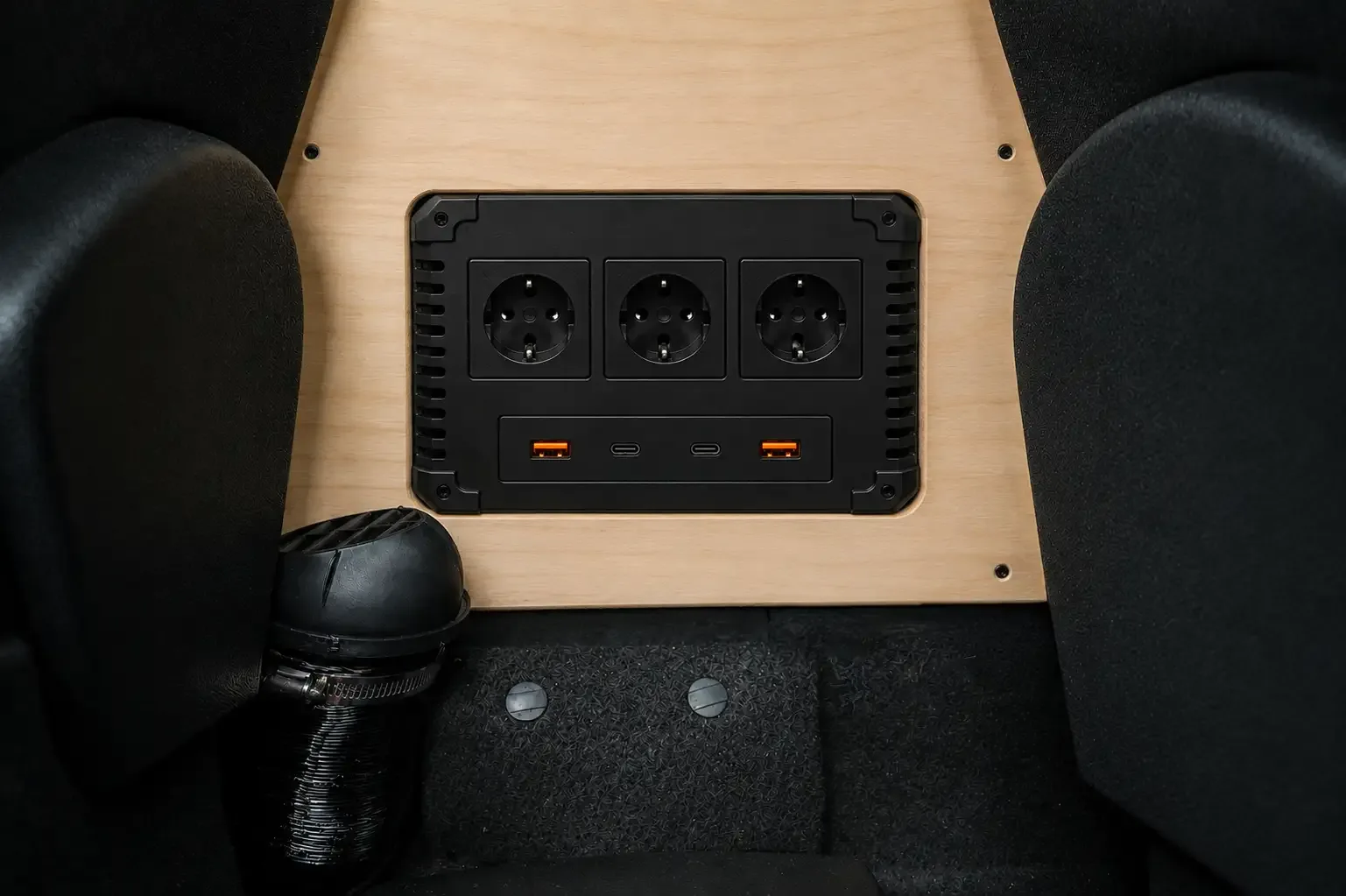
Well-Equipped Campervans for the Westfjords
Both Premium 2 and Trafic 3 include heating, onboard power, cooking equipment, and sleeping setup as standard. Contact us to confirm availability for your dates and get the right vehicle for your group size. Check availability and datesFrequently Asked Questions About This Westfjords Iceland Campervan Guide
Is this Westfjords Iceland campervan guide suitable for first-time Iceland travelers?
Yes, but only if you are comfortable with slower roads, changing weather, and daily route planning. First-time travelers should visit in summer (July–August is safest), allow at least 5 to 7 days, and check road conditions every morning on road.is, vedur.is, and SafeTravel.is before driving. Choosing a campervan with automatic transmission — such as the Premium 2 — reduces driving stress on the long winding fjord roads and makes the experience significantly more enjoyable for drivers unfamiliar with Iceland's road conditions.
How much does it cost to rent a campervan for the Westfjords in Iceland?
Foxie Campers campervans for the Westfjords start from around €109 per day for the Premium 2, depending on season and rental length. The Trafic 3 for three travelers starts from around €129 per day. Both vehicles include heating, onboard power (~1 kWh), cooking equipment, and sleeping setup as standard — so there are no surprise add-on charges for basic equipment. Check current pricing and live availability at foxiecampers.is to get an accurate quote for your specific travel dates.
Can I drive the Westfjords with the Premium 2 campervan?
Yes. The Premium 2 campervan is suitable for paved roads and normal permitted gravel roads in the Westfjords when conditions are confirmed safe on road.is. Its automatic transmission is a significant advantage on the long, winding fjord roads. The vehicle includes quiet thermostat diesel heating, a 24-litre compressor fridge, approximately 1 kWh of onboard off-grid power, and a sofa-to-bed sleeping setup for two travelers. It is not permitted on F-roads, Highland roads, river crossings, or any off-road terrain — and driving on those roads voids insurance cover.
Is Trafic 3 a good choice for the Westfjords?
Yes. Trafic 3 is well suited to three travelers visiting the Westfjords. It includes three seats, sleeping space for three travelers, Webasto diesel heating, full cooking equipment, and approximately 1 kWh of onboard power. The Webasto heater is particularly good at quickly warming the interior on cold mornings before driving. Like the Premium 2, it must stay on permitted paved and gravel roads and is not allowed on F-roads or Highland tracks.
How many days do I need for the Westfjords by campervan?
Five days is the practical minimum for a meaningful Westfjords campervan route, covering Hólmavík, Ísafjörður, Dynjandi, and the return south. Seven days is considerably better because the roads are slower than most travelers expect — 100 km can easily take two to three hours — the region is genuinely remote, and unexpected weather may require you to adjust plans mid-trip. Ten days suits photographers, hikers, and relaxed travelers who want to explore the outer peninsulas, spend extra time at key stops, and avoid any sense of rushing.
What is the best time for a Westfjords Iceland campervan trip?
The best time is late June to early September. July and August are the most reliable months because mountain roads are more likely to be fully open, campsites operate with full facilities, and daylight extends well into the evening — sometimes until after midnight at midsummer. Early June is beautiful but some roads may still be closed from winter snow. September is quieter with lovely autumn colours, but some campsites begin to close and weather becomes less predictable, so you need more flexibility in your daily plans.
Is the Westfjords drive from Reykjavík long?
The drive from Reykjavík to the southern entrance of the Westfjords near Hólmavík takes approximately 3 to 3.5 hours on paved roads, covering around 250 km. From there, continuing north to Ísafjörður adds several more hours due to the fjord roads looping around inlets. Most travelers split Day 1 by stopping near Hólmavík rather than attempting to reach Ísafjörður on the first day. This makes the journey more comfortable, avoids arriving too late to find a campsite, and means you start Day 2 already inside the Westfjords.
Do I need a 4x4 for the Westfjords?
Not for most main Westfjords routes in suitable summer conditions. A 2WD campervan such as the Premium 2 or Trafic 3 can handle paved roads and normal permitted gravel roads when conditions are confirmed safe on road.is. However, some seasonal mountain roads remain closed until late June, some remote peninsulas require careful road assessment before setting out, and all F-roads and Highland tracks require an approved 4x4. Always verify the status of any specific road on road.is before each driving day — conditions can change overnight.
Can I sleep anywhere in the Westfjords with a campervan?
No. All campervan travelers in Iceland must use designated legal campsites. Wild camping, overnight parking in car parks, and stopping at undesignated roadside spots is prohibited under Icelandic law and carries fines. The Westfjords has campsites spread throughout the region, but opening dates and available facilities vary by location and season. Plan your overnight campsite before the afternoon each day, check westfjords.is for campsite listings, and during shoulder season contact campsites directly to confirm they are open before relying on them.
Which Foxie Campers campervan is best for the Westfjords?
For two travelers, the Premium 2 campervan is the best choice. Automatic transmission reduces stress on long fjord roads, the sofa-to-bed layout gives a comfortable interior on rainy days, quiet thermostat heating keeps you warm overnight, and the 1 kWh onboard power system keeps cameras, phones, and laptops charged without needing campsite hookups. Available from €109/day. For three travelers, the Trafic 3 campervan is the right choice — three seats, sleeping space for three, Webasto diesel heating, and the same 1 kWh Foxie Campers Power System. Available from €129/day.