


February is one of the best winter months for a campervan trip in Iceland. The nights are still long and dark for the northern lights, but the days grow fast: from about 7 hours of daylight at the start of the month to about 10 by the end. There's snow on the mountains, ice on the waterfalls and far fewer people than in summer. Here's what to expect and how we'd plan it.
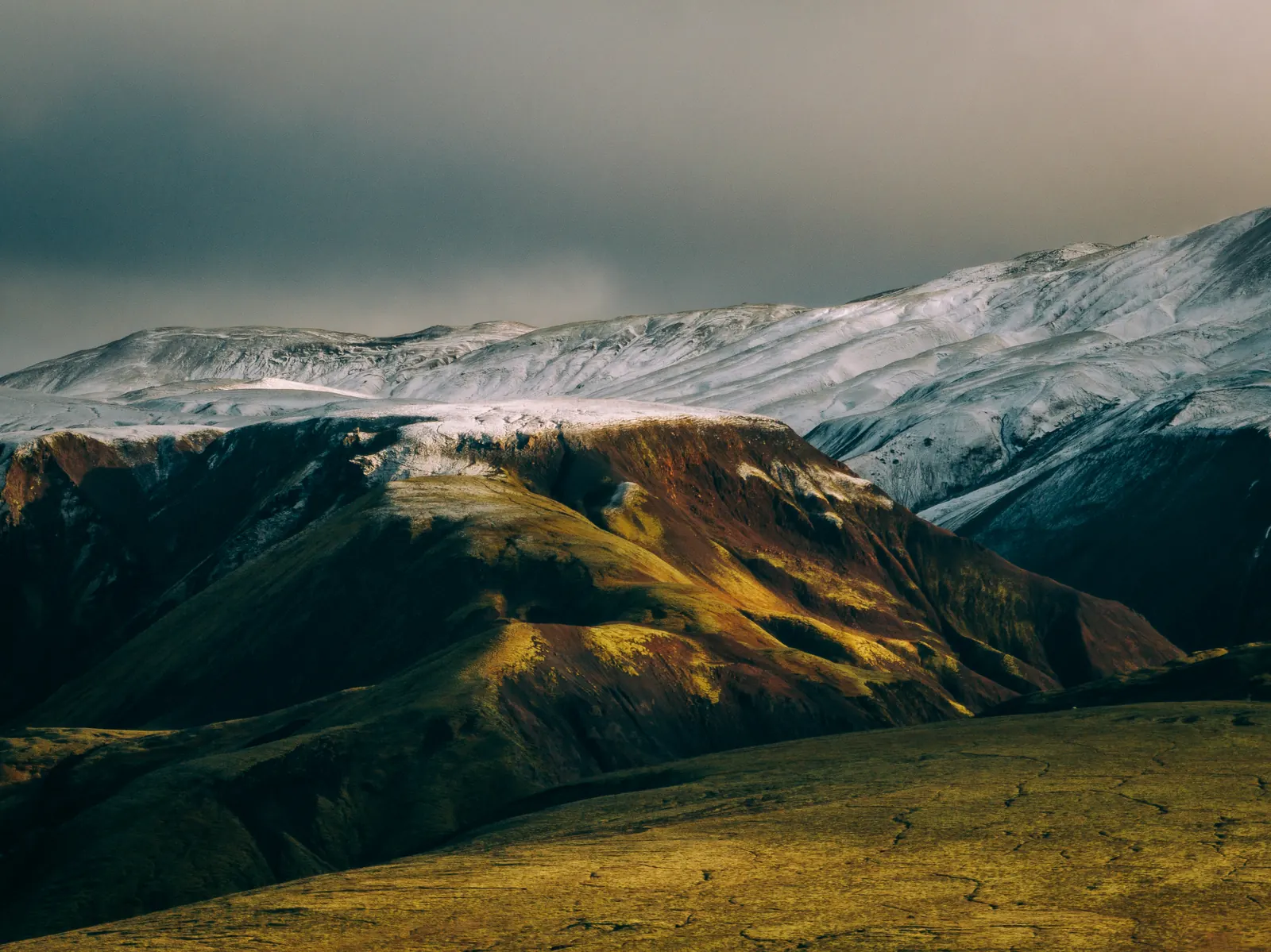
February in Iceland at a glance
| Daylight | From about 7 hours in Reykjavík on 1 February to about 10 hours at the end of the month. The day grows by several minutes every day. |
|---|---|
| Temperature | Around 0 °C in Reykjavík and on the south coast, colder in the north and inland. Wind makes it feel much colder. |
| Weather | Still a stormy month, but cold, clear and calm spells are common too, often with the best northern lights. |
| Roads | The Ring Road is cleared, but it can close for hours in a storm. All highland roads (F-roads) are closed. |
| Northern lights | Long dark nights, and displays are a little more frequent as the spring equinox gets closer. |
| Crowds | Quiet. Even the Golden Circle and the south coast feel calm. |
Why February works so well
In December you've only got 4 to 5 hours of light for driving and sightseeing. By February it's 7 to 10, which makes a week on the road much more relaxed: you can drive in daylight, stop often and still be at your campsite before dark. The nights are still long enough for the northern lights, from early evening until the morning. If you'd like winter landscapes and the aurora without the shortest days, February's a sweet spot.
Driving in Iceland in February
- Studded tyres: every Foxie camper runs on studded winter tyres.
- Wind's the main danger, more than snow. The Icelandic Met Office issues yellow, orange and red weather warnings on vedur.is. On an orange or red day, stay where you are.
- Check the roads every morning on road.is or by calling 1777, and look at safetravel.is for alerts.
- Mountain roads close after snow, including some passes in the east, in the Westfjords and across the Snæfellsnes peninsula. Highland roads (F-roads) don't open until summer.
- Fuel: most fuel stations have card pumps that work around the clock (you'll need a card with a PIN). Fill up when the tank is half empty. Your rental comes with an N1 fuel-discount keychain.
- Never stop on the road for photos or the northern lights. Pull into a car park or lay-by.
There's more in our guide to driving in Iceland.
Where to sleep: campsites open in February
Most campsites close for the winter, but you'll still find some open. These say they're open right through the winter:
- Near Keflavík: Garðskagi and Sandgerði
- Reykjavík and the Golden Circle: Reykjavík (Laugardalur), Þingvellir (the Nyrðri-Leirar site), Úthlíð, Hraunborgir in Grímsnes (with hot tubs) and Selfoss
- South coast: Hellishólar in Fljótshlíð
- Glacier country: Skaftafell
- Snæfellsnes: Snorrastaðir, Grundarfjörður and Stykkishólmur
Winter facilities can be simpler than in summer, and campsites change their plans, so check the campsite's own page or call before you go. Our campervan map shows all the campsites in Iceland. At night, sleep only at campsites: it's the rule in Iceland, and it keeps you off dark roads.
Staying warm in the camper
Most of our campers have a diesel night heater that runs without a campsite hook-up, plus an electric heater for nights on campsite power, and the bedding's included. Run the heater on low all night rather than high in short bursts, and air the camper for a few minutes in the morning to keep condensation down.
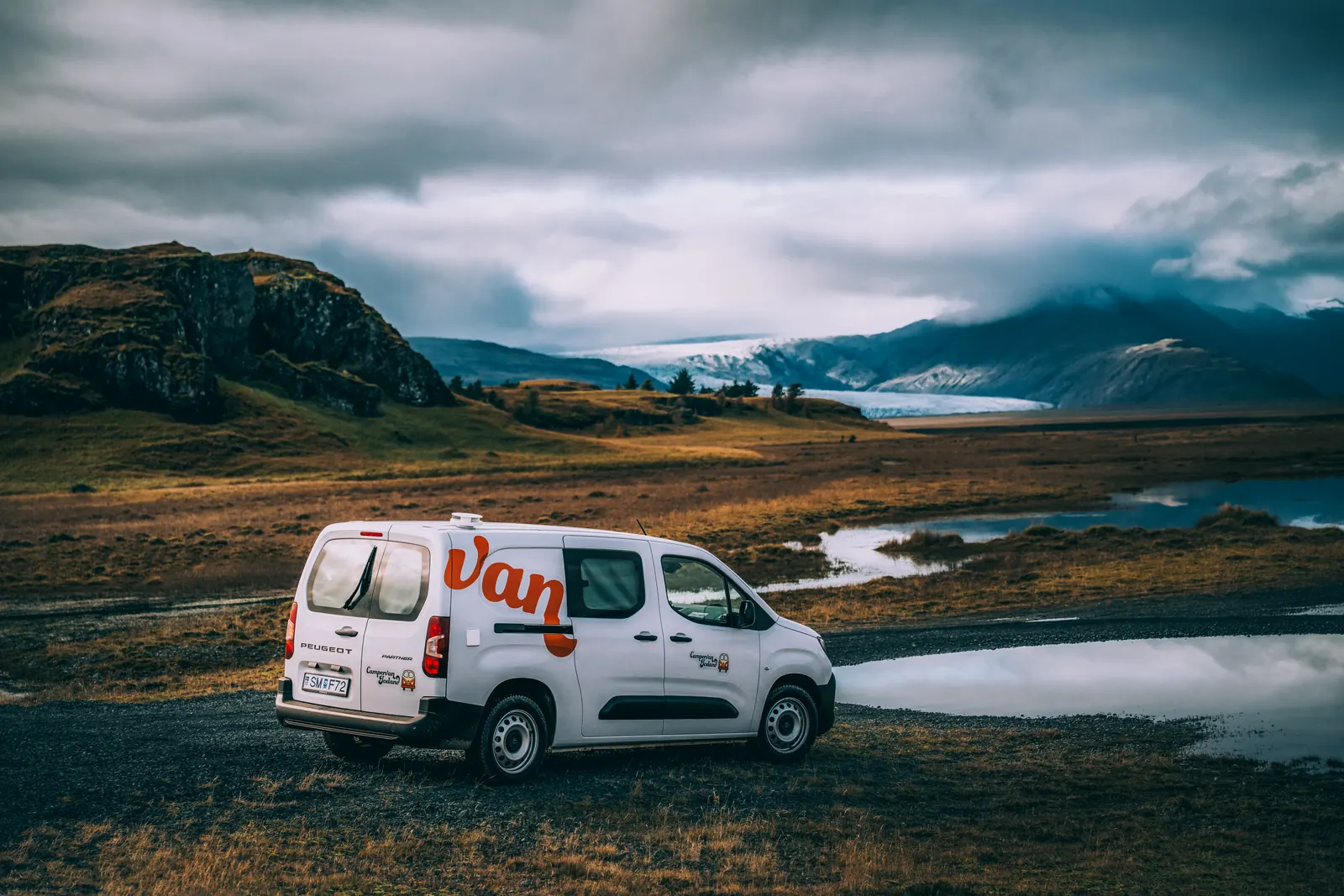
A 7-day February route: south coast and Snæfellsnes
Day 1: Reykjanes. Pick up your camper at our desk in Keflavík (staffed 24/7, with a free airport transfer). Visit the Bridge Between Continents and the Gunnuhver hot spring, then sleep at Garðskagi or Sandgerði for your first northern lights night.
Day 2: Golden Circle. Þingvellir National Park, the Geysir area and Gullfoss, with about 3 hours of driving in all. End the day in a hot pool such as the Secret Lagoon at Flúðir and sleep at Úthlíð, about 10 minutes from Geysir, or at Hraunborgir in Grímsnes, which has its own hot tubs.
Day 3: Seljalandsfoss. About 2 hours of driving to Seljalandsfoss (the path behind the waterfall closes when it's icy). Sleep at Hellishólar in Fljótshlíð, about 20 minutes away.
Day 4: Vík and back. Skógafoss, the view from Dyrhólaey, the black sand beach at Reynisfjara (stay far back from the waves; read our Reynisfjara safety guide) and the village of Vík. Then drive back west to Selfoss, about 3.5 hours of driving in all, and sleep there.
Day 5: To Snæfellsnes. About 3 to 4 hours of driving, past Borgarnes and the basalt wall of Gerðuberg. Sleep at Grundarfjörður, under Kirkjufell.
Day 6: Around the peninsula. Kirkjufell and its waterfall, Djúpalónssandur black-pebble beach, the Lóndrangar sea stacks, the cliffs at Arnarstapi and the black church at Búðir. Sleep at Grundarfjörður or Stykkishólmur.
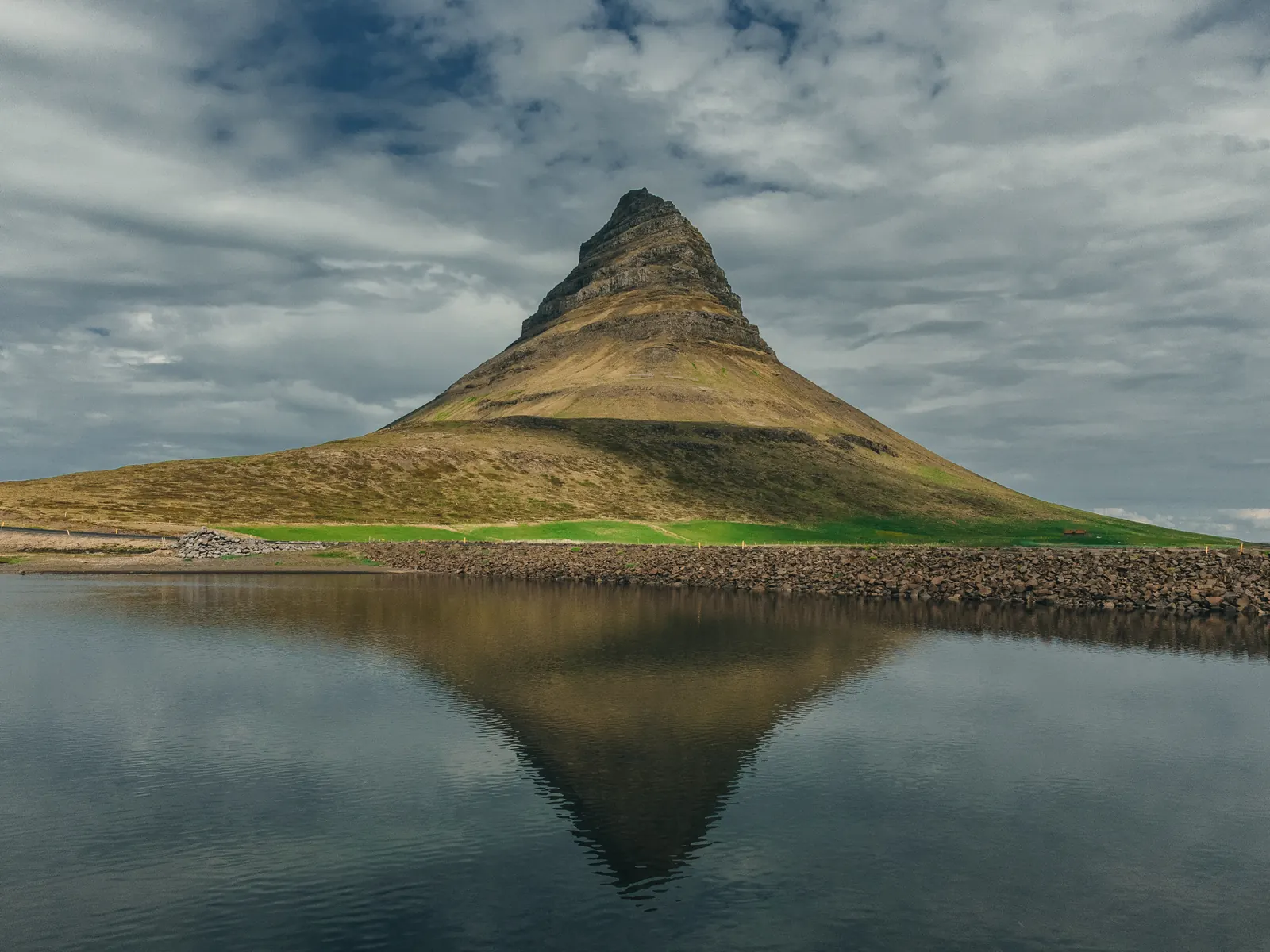
Day 7: Back to Keflavík. About 3 to 3.5 hours of driving. Stop for a last swim in a Reykjavík swimming pool or a lagoon, then return the camper.
If you've got more time, add Skaftafell and the Jökulsárlón glacier lagoon after day 4: our December guide has that route. Our free trip planner, included with every booking, builds a day-by-day route for your own dates.
Events and food in February
- Þorrablót: the old midwinter month of Þorri runs from late January to late February. Icelanders hold Þorrablót feasts with traditional food such as fermented shark, smoked lamb and sour whey-cured dishes. Some restaurants serve a Þorri plate.
- Bun Day, Bursting Day and Ash Wednesday: in 2027 they fall on 8, 9 and 10 February. Bakeries are full of cream buns on Bun Day (Bolludagur), families eat salted meat and pea soup on Bursting Day (Sprengidagur), and on Ash Wednesday (Öskudagur) children dress up and sing for sweets.
- Winter Lights Festival: Reykjavík usually lights up its buildings and opens museums and pools late for a few days in early February.
Things to do in February
- Northern lights: read the best time to see the northern lights in Iceland.
- Ice caves: you can still visit natural ice caves under Vatnajökull until about March, but only on a guided tour; they're not safe to enter on your own.
- Hot pools: local swimming pools and lagoons are open all winter. See our hot springs guide.
- Waterfalls in ice: Seljalandsfoss, Skógafoss, Gullfoss and Kirkjufellsfoss framed by snow. See our waterfalls map.
- Snæfellsnes: often called Iceland in miniature, with a glacier volcano, black beaches, lava fields and fishing villages in one peninsula.
What to pack
- Thermal base layers and a wool sweater
- A waterproof, windproof jacket and trousers
- A warm hat, gloves and a neck warmer
- Ice cleats (microspikes) for icy paths and car parks
- A headlamp
- Swimwear for the hot pools
- A USB cable to charge your phone in the camper
Bedding, a cooking kit and a camping table and chairs come with every Foxie camper, so you don't need to pack those.
Is February a good time for a campervan trip?
Yes. February gives you winter scenery, long nights for the northern lights and enough daylight for comfortable driving days. Storms still happen, so keep your plan flexible, check the weather every morning and leave a spare day in case a storm closes the road.
You'll find our campers and live February prices on the Iceland campervan rental page.