

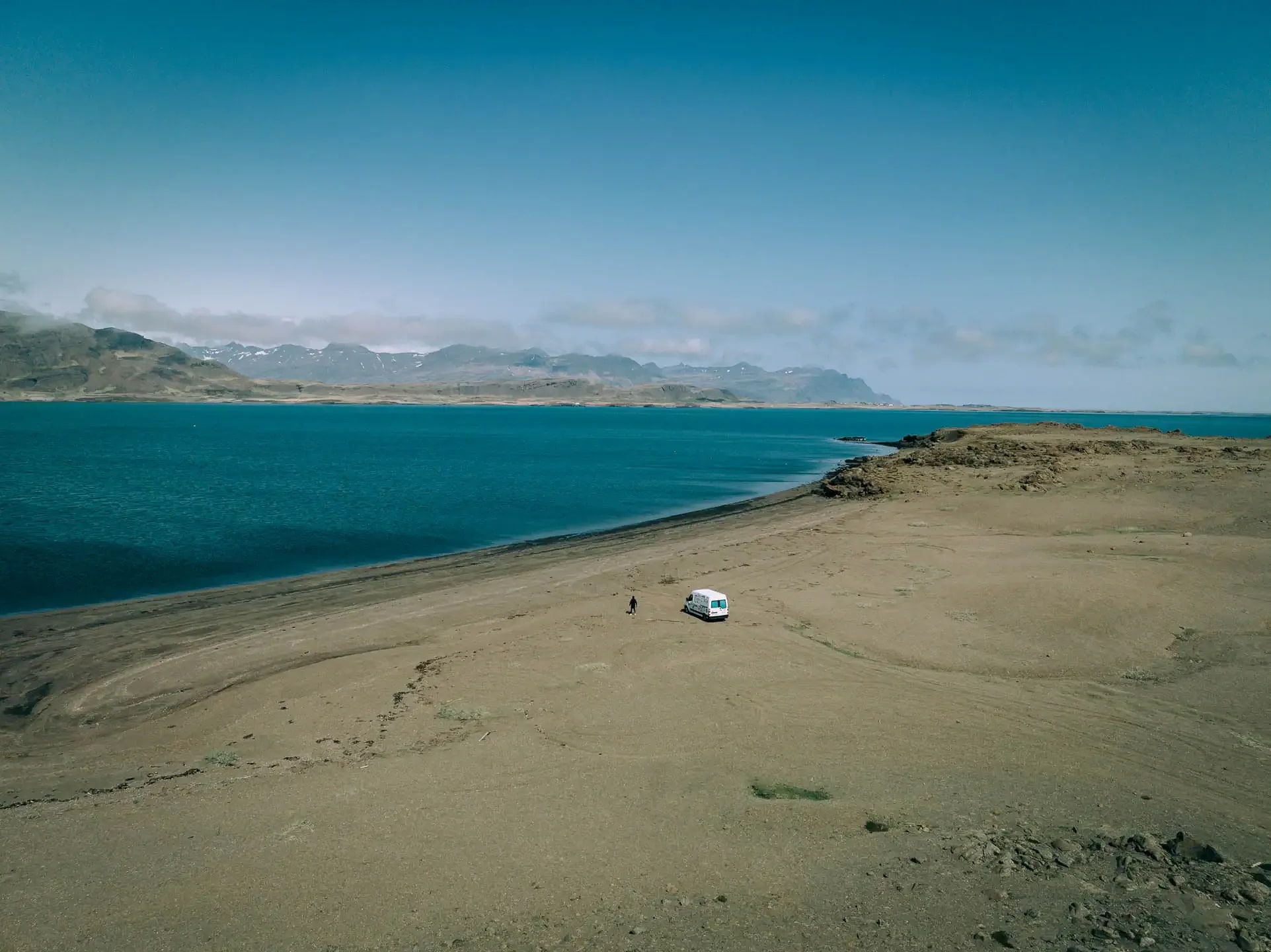
Iceland Campervan Itinerary: The Ultimate 7–10 Day Ring Road Road Trip
Planning an Iceland campervan itinerary is one of the most exciting parts of preparing a trip to Iceland. The island packs waterfalls, glaciers, volcanoes, black sand beaches and dramatic coastlines into one continuous loop that is made for a road trip.
Traveling by campervan gives you complete freedom. Instead of moving between hotels, your accommodation travels with you, so you can stop the moment you discover something amazing and wake up to a new view every morning.
This guide lays out a realistic day-by-day Iceland campervan itinerary around the famous Ring Road, based on a real trip, plus the planning details and hidden gems that most travelers miss.
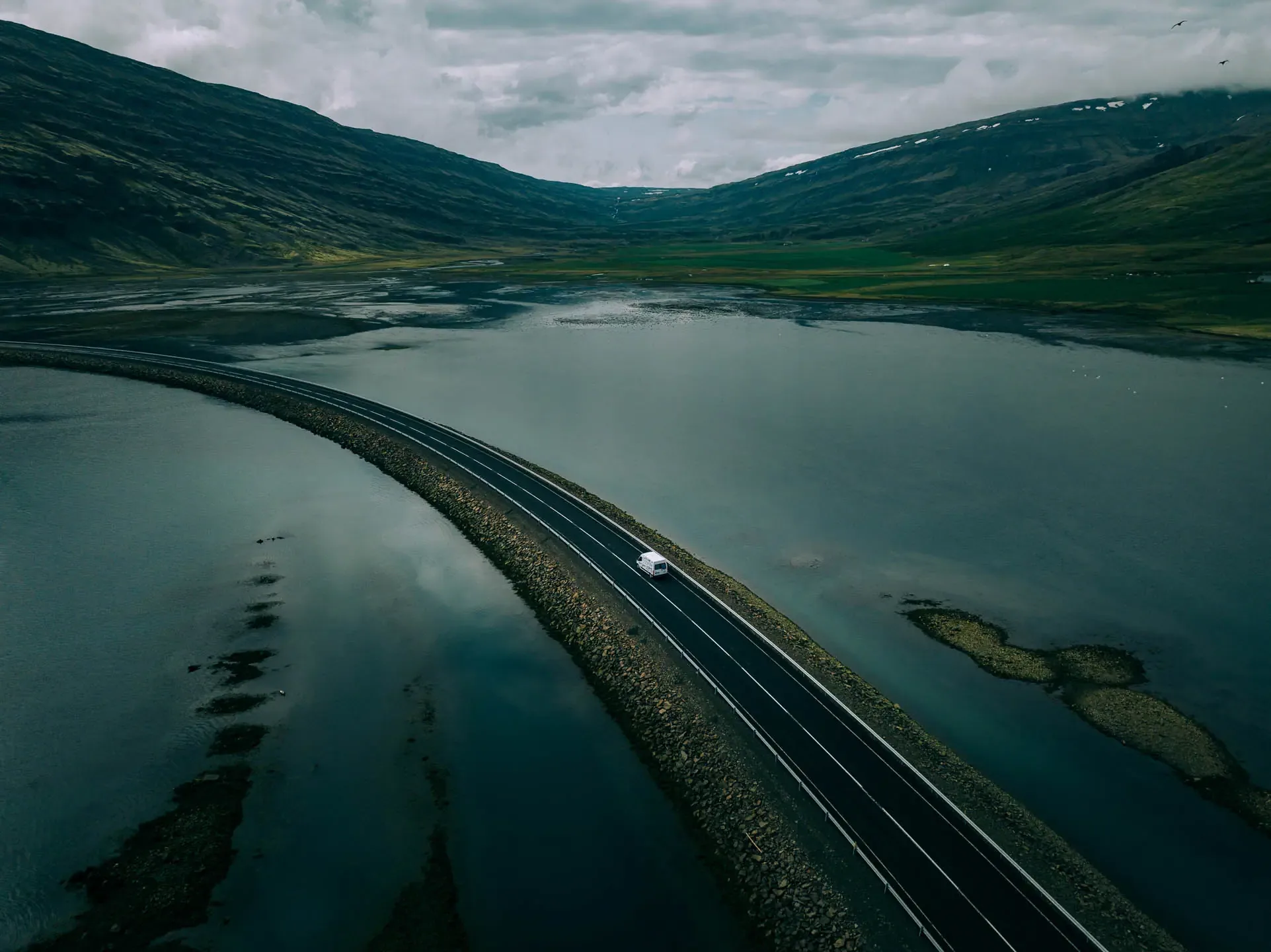
Why a Campervan Is the Best Way to Explore Iceland
A road trip around Iceland is far easier with a campervan. Many of the best natural attractions sit far from towns, and public transport rarely reaches them.
With a campervan you can:
- Travel at your own pace and change plans with the weather
- Stop at waterfalls and viewpoints whenever you like
- Combine transport and accommodation to save money
- Sleep close to nature every night
If you are still choosing a vehicle, browse our Iceland campervan fleet, or see our full campervan rental in Iceland page to plan and book.
Iceland Campervan Itinerary Overview: The Ring Road Route
Iceland’s Ring Road (Route 1) circles the entire island and connects almost every major region. The full loop is approximately 1,332 km and is paved for nearly its entire length, which makes it ideal for campervan travel.
How long you need:
- 7 days for a faster overview
- 8–10 days for a relaxed, scenic journey (recommended)
- 14+ days for full exploration with side trips
Most travelers drive counterclockwise from Reykjavík toward the south coast, which puts the biggest highlights early and balances daily driving. Aim for around 150–250 km per day so you have time to actually stop and enjoy each place.
Always check conditions before driving each day at road.is and the weather at vedur.is.
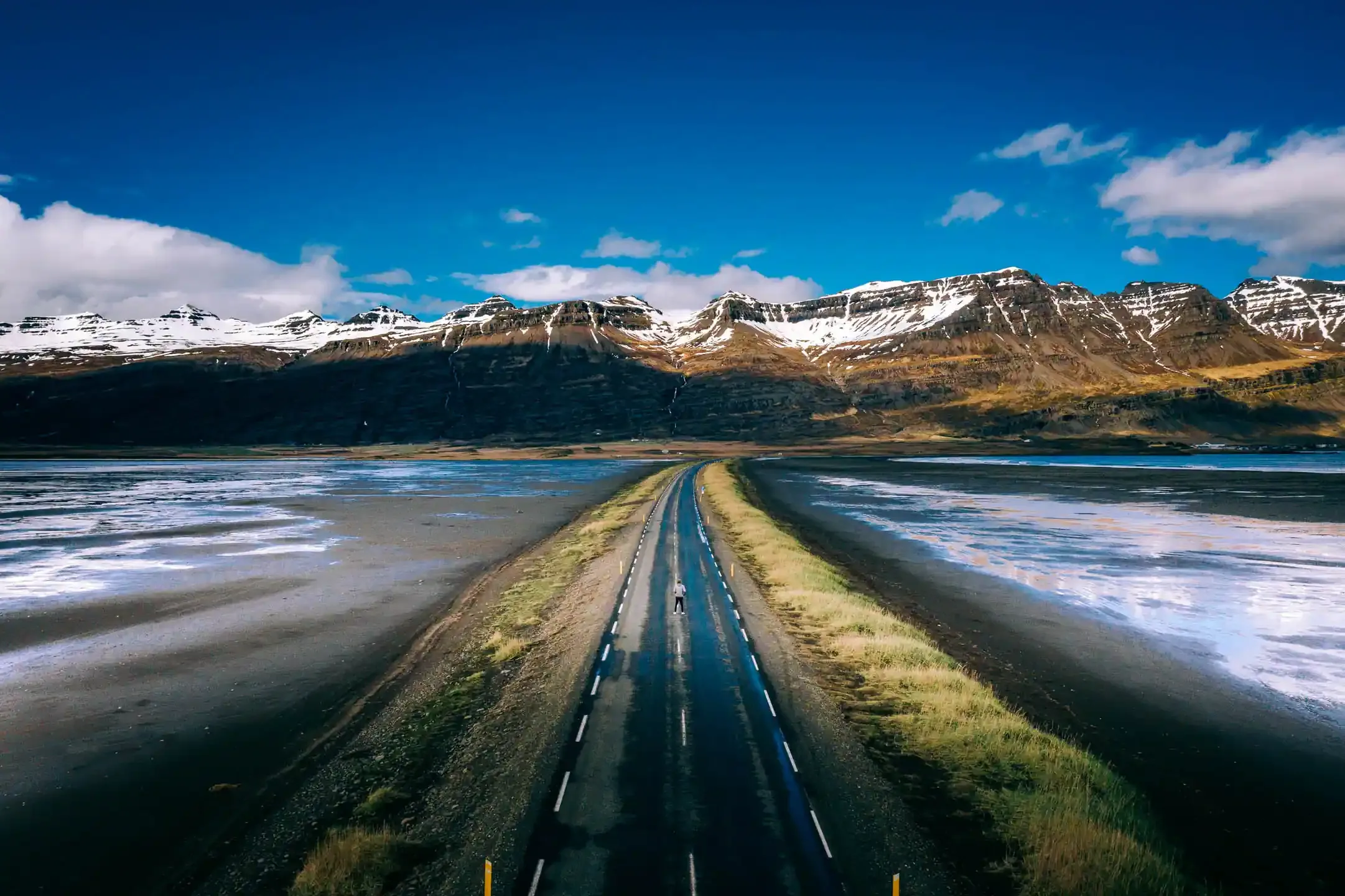
Day 1: Arrival, Campervan Pickup and the Reykjanes Peninsula
- Route: Keflavík Airport → Grindavík → Reykjavík area
- Highlights: Picking up your home on wheels, geothermal soaking, first night in the van
Land at Keflavík International Airport, where our representative meets you and drives you a few minutes to the depot. After a short orientation on your campervan — including the Webasto heater and kitchen setup — you are ready to begin your Iceland campervan itinerary.
Spend your first afternoon relaxing near Grindavík on the Reykjanes Peninsula, one of Iceland’s most active volcanic regions. Stop for groceries, cook your first meal in the van, and settle into a nearby campsite. With built-in heating and power, you will sleep comfortably and wake up ready for the road.
Day 2: The Golden Circle
- Route: Reykjavík area → Golden Circle → Hvolsvöllur
- Highlights: Tectonic plates, erupting geysers, thundering waterfalls
Tackle Iceland’s most famous route, the Golden Circle:
- Þingvellir National Park — walk between the North American and Eurasian tectonic plates (thingvellir.is)
- Geysir Geothermal Area — watch Strokkur blast boiling water into the air every few minutes
- Gullfoss — a huge two-tier waterfall plunging into a rugged canyon
Add the red crater of Kerið and the Lava Centre in Hvolsvöllur, then camp for the night. For a deeper dive on this region, see our Golden Circle Iceland guide.
Day 3: South Coast Waterfalls and Black Sand Beaches
- Route: Hvolsvöllur → Vík → Skaftafell
- Highlights: Walking behind a waterfall, hidden canyons, famous black sand beaches
Start at Seljalandsfoss, the waterfall you can walk behind, and don’t miss Gljúfrabúi hidden in a narrow canyon right beside it. Continue to Skógafoss and climb the staircase for the view from the top.
Next, visit Reynisfjara black sand beach with its basalt columns and powerful waves — always follow the sneaker-wave safety signs. After lunch in Vík, drive to Skaftafell in Vatnajökull National Park and hike to Svartifoss, framed by dark basalt columns. Full details in our South Coast campervan guide.
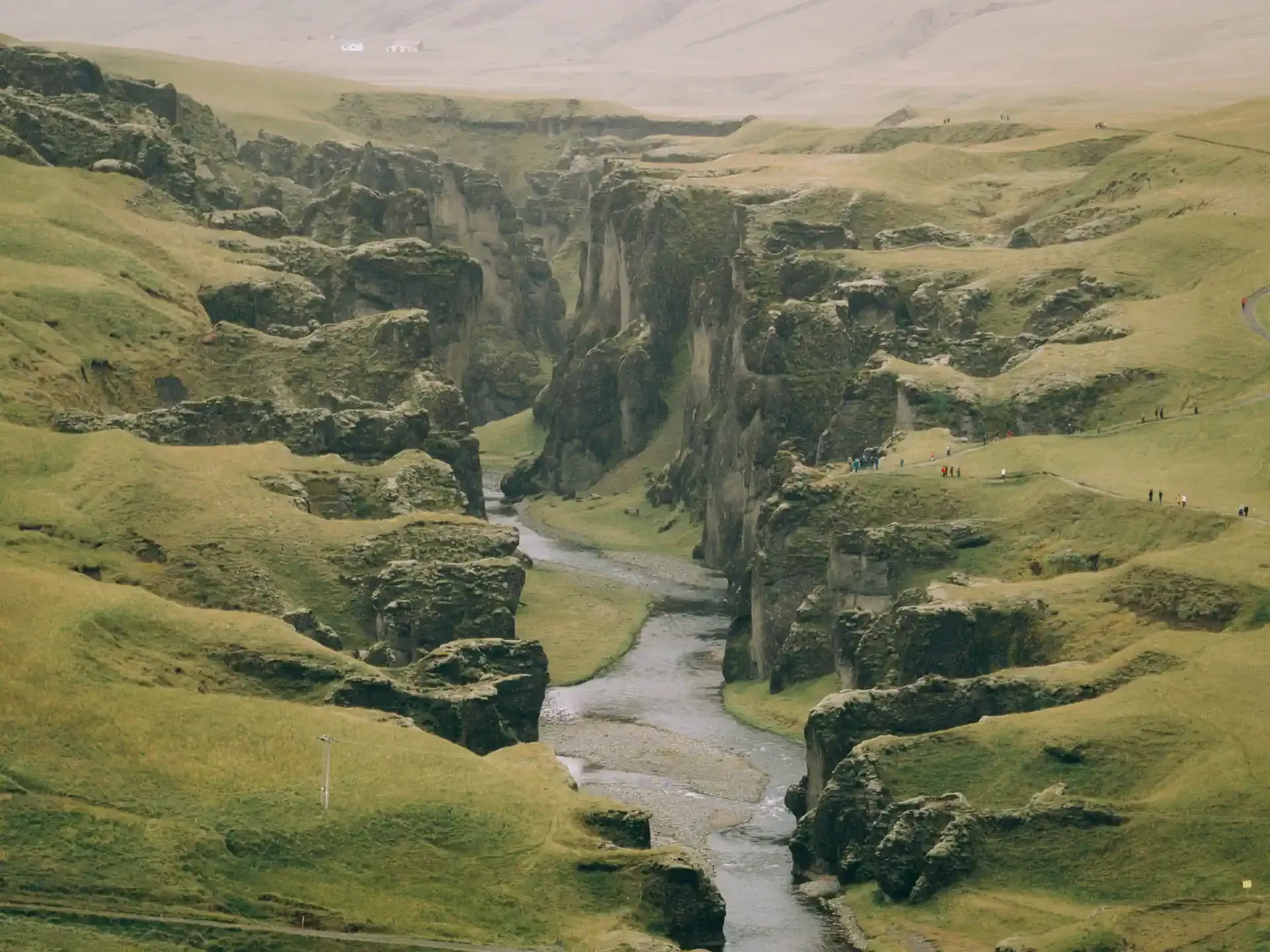
Day 4: Glaciers, Icebergs and the East Fjords
- Route: Skaftafell → Jökulsárlón → Egilsstaðir
- Highlights: Glacier lagoon, Diamond Beach, dramatic fjord coastline
Begin at Jökulsárlón Glacier Lagoon, where icebergs drift toward the ocean, then cross the road to Diamond Beach, where ice fragments sparkle on black sand. Refuel in Höfn and follow the winding East Fjords north, watching for wild reindeer.
Near Egilsstaðir, unwind at Vök Baths, a geothermal spa floating on a lake. This is also the gateway to our East Iceland campervan itinerary if you want to slow down and explore the fjords.
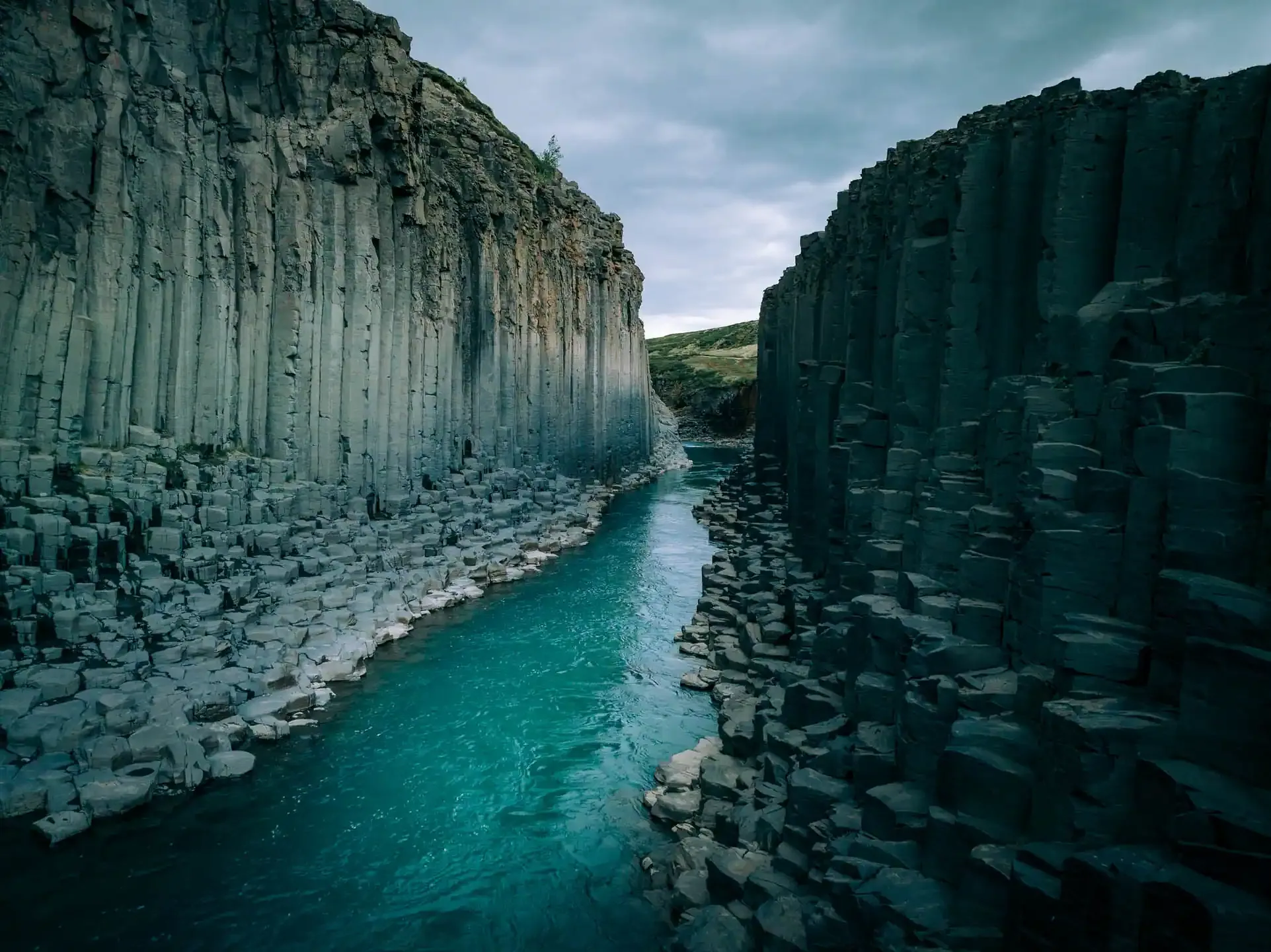
Day 5: Stuðlagil Canyon, Dettifoss and Lake Mývatn
- Route: Egilsstaðir → Stuðlagil → Dettifoss → Lake Mývatn → Húsavík
- Highlights: Basalt canyons, Europe’s most powerful waterfall, geothermal baths
Hike to Stuðlagil Canyon, one of Iceland’s most striking basalt formations, with a bright turquoise river running between the columns. Continue to Dettifoss, the most powerful waterfall in Europe — check access on SafeTravel first.
Later, soak in the Mývatn Nature Baths, a quieter alternative to the Blue Lagoon, surrounded by volcanic craters and lava fields. Overnight in the fishing town of Húsavík.
Day 6: North Iceland Waterfalls and Scenic Coast
- Route: Húsavík → Goðafoss → Akureyri → Tröllaskagi Peninsula
- Highlights: Waterfall of the Gods, the capital of the North, riverside hot pools
Drive to Goðafoss, the “Waterfall of the Gods”, then continue to Akureyri, the largest town in North Iceland, for a coffee break and short walk. Follow the coast of the Tröllaskagi Peninsula through small fishing villages, and stop at Fosslaug, a natural hot pool beside a river, for a quiet soak.
Day 7: Snæfellsnes Peninsula and Back to Reykjavík
- Route: North Iceland → Snæfellsnes → Reykjavík
- Highlights: Kirkjufell, lava fields, sea cliffs, the capital city
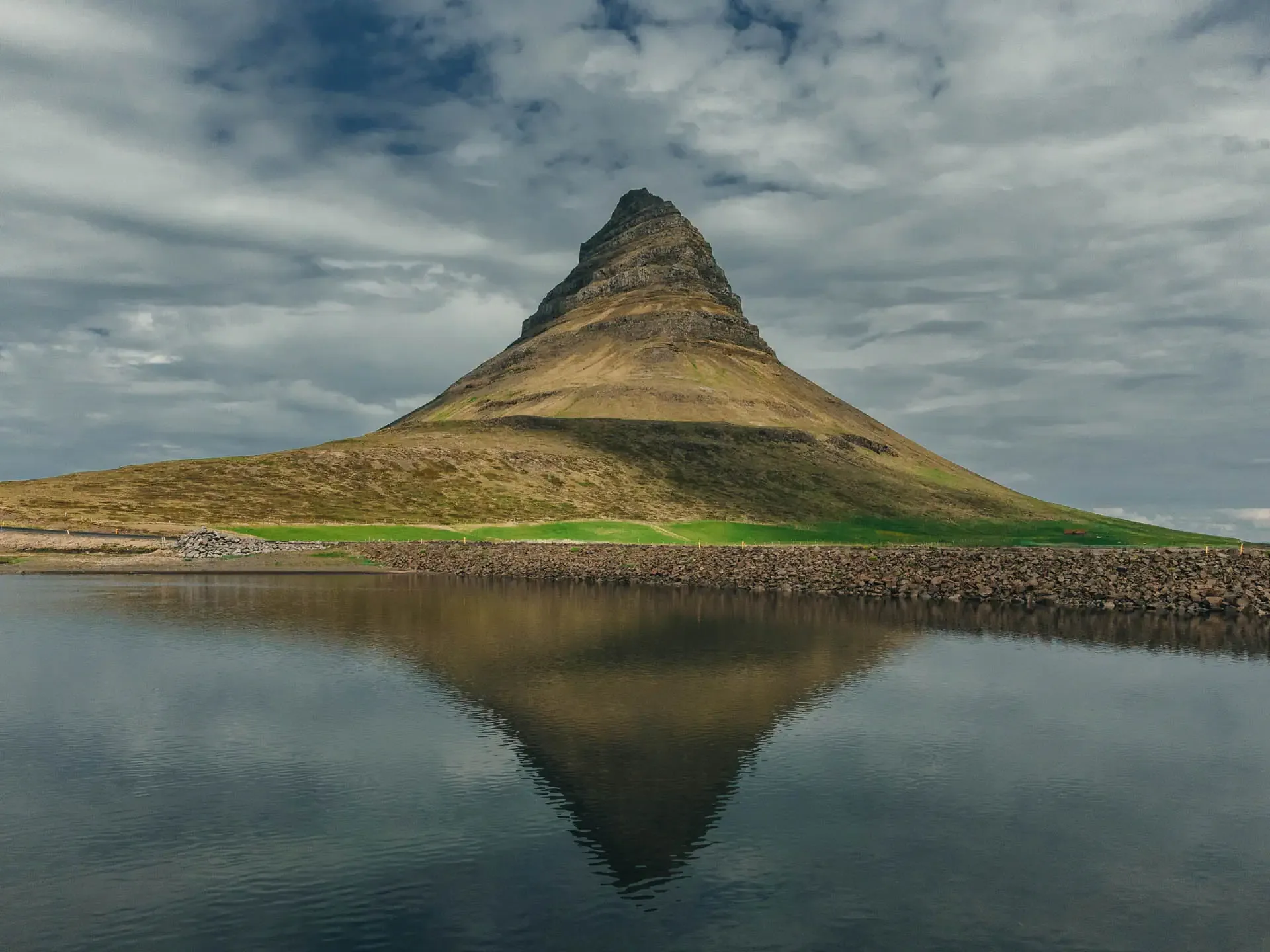
Cross to the Snæfellsnes Peninsula, often called “Iceland in miniature” for its glaciers, beaches, cliffs and lava fields in one compact region. Photograph Kirkjufell and nearby Kirkjufellsfoss, walk the coastal path at Arnarstapi, and explore the black pebbles of Djúpalónssandur.
Drive back to Reykjavík for one last evening — visit Hallgrímskirkja, stroll Laugavegur, and enjoy a final dinner in town.
Optional Day 8+ Extension: Slow Down or Add the Highlands
With extra days you can turn this 7-day loop into a relaxed 8–10 day trip: spend a full day in the East Fjords, add a Highland detour on the F-roads (4x4 only), or linger longer around Lake Mývatn. If you are considering the Highlands, read our 4x4 campervan Iceland guide first to see whether you need a 4x4.
Where to Stay During Your Iceland Campervan Itinerary
Wild camping in a vehicle is not allowed in Iceland — travelers stay at designated campsites, which are comfortable and well spaced around the Ring Road.
Typical facilities include:
- Showers and toilets
- Cooking and kitchen areas
- Electricity hookups
- Fresh water stations
Most campsites cost around 1,500–2,500 ISK per person. For current listings use the Icelandic Camping Association, and see our guides to the best campsites in Iceland and the campervan sleeping rules in Iceland.
Extra Hidden Stops Along the Ring Road
To make your itinerary even more memorable, add a few of these quieter spots:
- Kvernufoss — a beautiful waterfall hidden near Skógafoss
- Fjaðrárgljúfur — a stunning moss-covered canyon in the south
- Hengifoss — one of the tallest waterfalls in Iceland, in the east
- Hraunfossar — waterfalls flowing through a lava field in the west
Choosing the Right Campervan for the Ring Road
Most of the Ring Road suits a standard 2WD campervan. You only need a 4x4 if you plan to drive F-roads into the Highlands. Match the vehicle to your season and group size — see our campervan fleet to compare models.
Fuel, Food and Supplies
Gas stations appear in all major towns, but distances grow in the east and north — refill when your tank reaches half. Supermarkets line the route, so it is easy to cook in the van and keep costs down.
Weather, Roads and Driving Safely
Icelandic weather changes fast. Check forecasts and road conditions daily, drive carefully on gravel, and never drive off-road — Iceland protects its landscapes by law. For a full briefing, read our guide to driving in Iceland with a campervan.
Tips for Planning Your Iceland Campervan Itinerary
A successful Iceland campervan itinerary rewards flexibility:
- Check weather and road conditions every morning
- Drive carefully and slowly on gravel roads
- Refuel early in remote areas
- Respect nature and stay on marked paths
- Leave time for spontaneous photography stops
Iceland rewards slow travel and curiosity — many of the best moments happen unexpectedly along the road.
Related campervan itineraries
- South Coast Iceland Itinerary: Realistic 7 Day Campervan Route
- Golden Circle in 3 Days: The Campervan Route Locals Actually Take
- Golden Circle Snæfellsnes Campervan Itinerary: 3 Days in Iceland
- Iceland Campervan Winter Itinerary: 7 Days Chasing Northern Lights
- Family-Friendly Iceland Hidden Gems: 5-Day Campervan Trip
- North Iceland Road Trip Guide 2025–2026
- Iceland Crowd Free Campervan Routes: 7 Secret Roads
- 2026 Solar Eclipse Iceland Campervan Trip
FAQ: Iceland Campervan Itinerary
How many days do you need for an Iceland campervan itinerary?
Most travelers need 7 to 10 days to drive the Ring Road and explore the main highlights comfortably. Seven days is enough for a fast loop; 8–10 days allows short hikes, hot springs and relaxed evenings.
Do you need a 4x4 campervan for the Ring Road?
No. A 2WD campervan is enough for the Ring Road and the main sights. A 4x4 is only needed for F-roads into the Highlands.
Can you drive the entire Ring Road in Iceland?
Yes. The Ring Road circles the whole island and connects most regions and attractions. It is about 1,332 km long.
Is it safe to drive the Ring Road in winter?
It can be, if you drive carefully and stay flexible. Always check road.is and SafeTravel for storm warnings and closures, and choose a camper with winter tires and proper heating.
Where can you camp along the Ring Road?
At official campsites near most towns and attractions. Wild camping in a vehicle is not allowed.
Start Your Iceland Campervan Adventure
Iceland is a country built for road trips, and a campervan is the most flexible, immersive way to see it. Ready to go? Browse our campervan fleet and plan your trip on our campervan rental in Iceland page.