

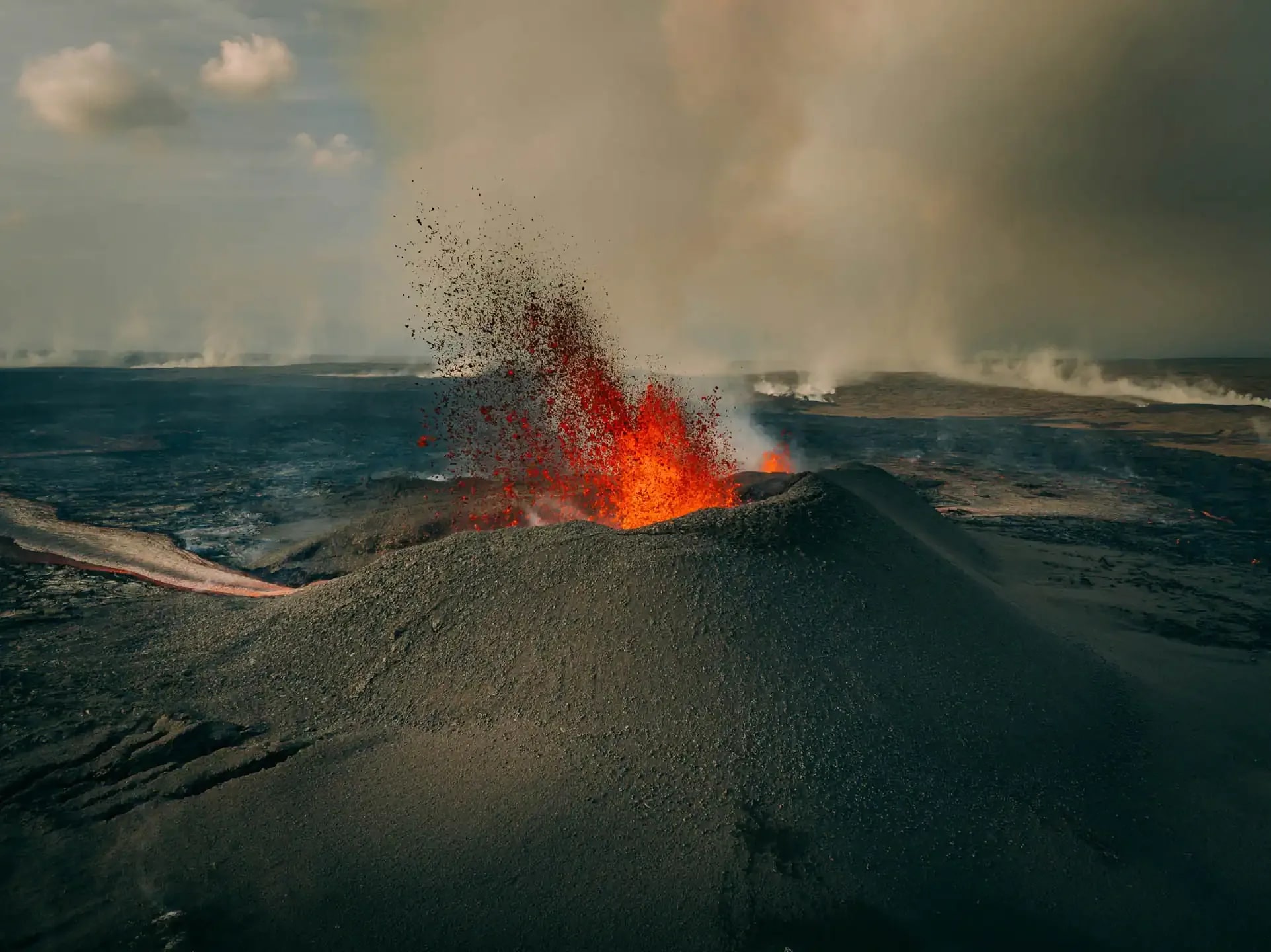
Reykjanes Peninsula Volcano Eruption Near Grindavík: A Firsthand Guide
The Reykjanes Peninsula volcano eruption became one of the most talked about natural events in Iceland in recent years. While many people referred to it as the Keflavík volcano, the eruption actually occurred within the Reykjanes volcanic system, close to the town of Grindavík.
I witnessed this volcano many times before and after the eruption. Long before lava reached the surface, the ground began shaking almost constantly. At peak periods, more than 3,000 small earthquakes were recorded daily. These early warning signs changed life for local residents and eventually led to major consequences for Grindavík.
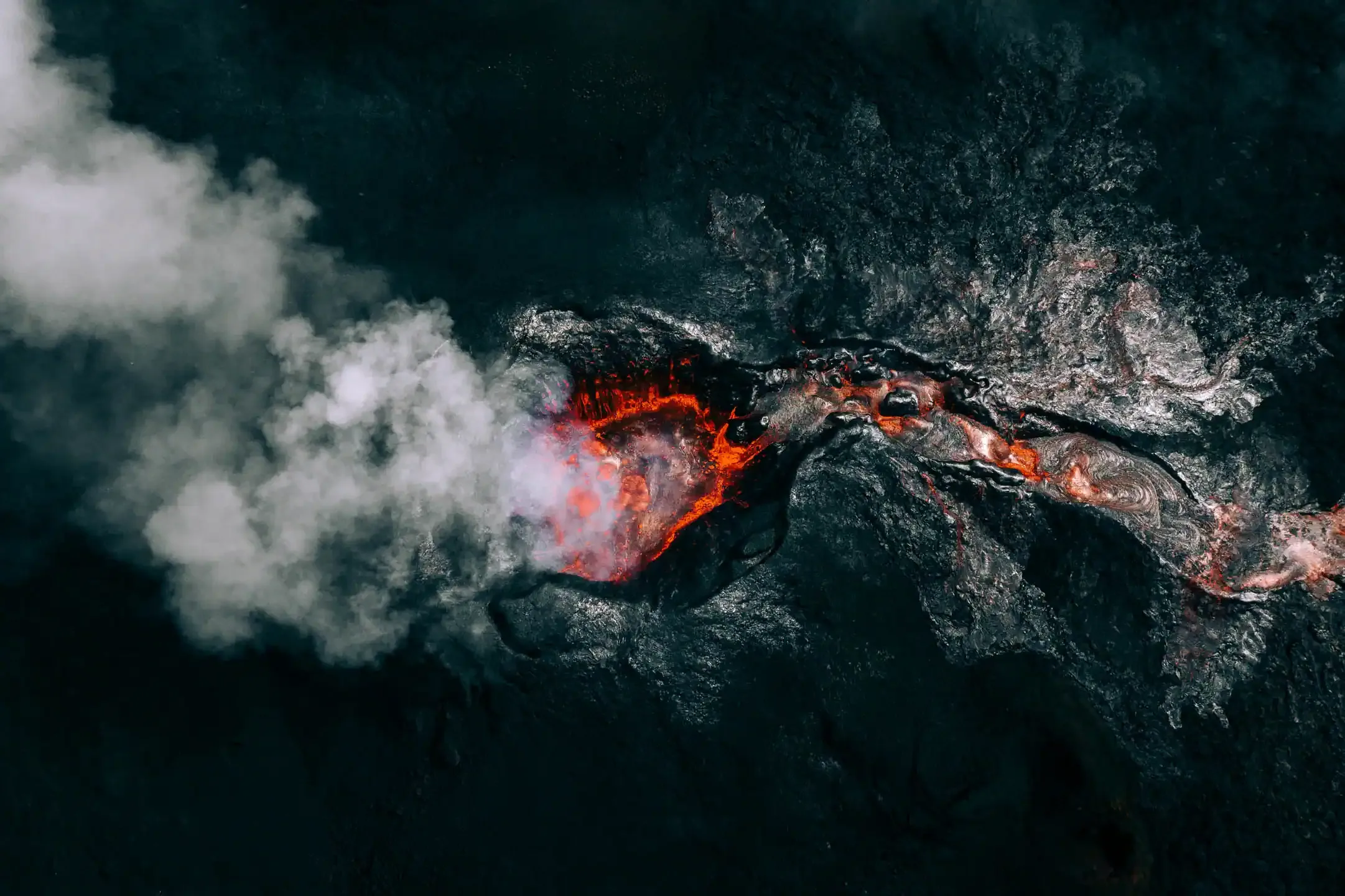
Where the Reykjanes Peninsula Volcano Eruption Happened
The Reykjanes Peninsula is one of Iceland’s most active volcanic regions. It sits directly on the Mid-Atlantic Ridge, where the North American and Eurasian tectonic plates slowly pull apart.
The eruption took place near Grindavík along the Sundhnúkur crater row. Because of its proximity to Keflavík International Airport, global media often referred to it incorrectly as the Keflavík volcano. In reality, Keflavík was never the eruption site.
Using the correct name matters for accuracy and long-term understanding of Iceland’s volcanic systems.
How the Reykjanes Peninsula Volcano Eruption Was Signaled by Earthquakes
Months before lava appeared, the Reykjanes Peninsula experienced intense seismic activity. Thousands of small earthquakes shook the region every day. Roads cracked, buildings shifted, and underground magma slowly forced its way toward the surface.
These earthquakes were not random. They were clear signals that magma was moving below ground. For locals, this meant constant uncertainty. For scientists, it confirmed that the Reykjanes Peninsula had entered a new volcanic phase.
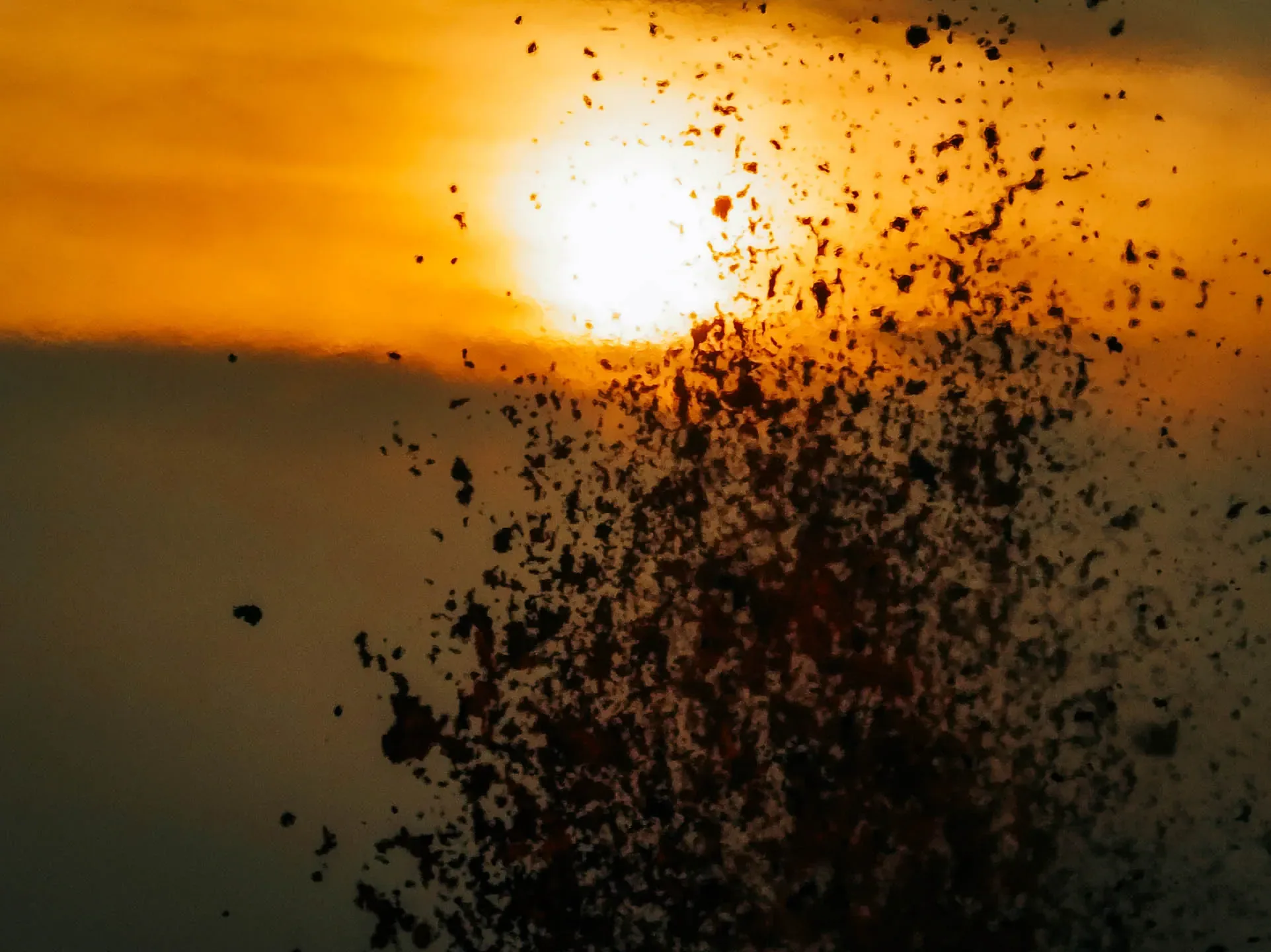
When Lava From the Reykjanes Peninsula Volcano Eruption Reached the Surface
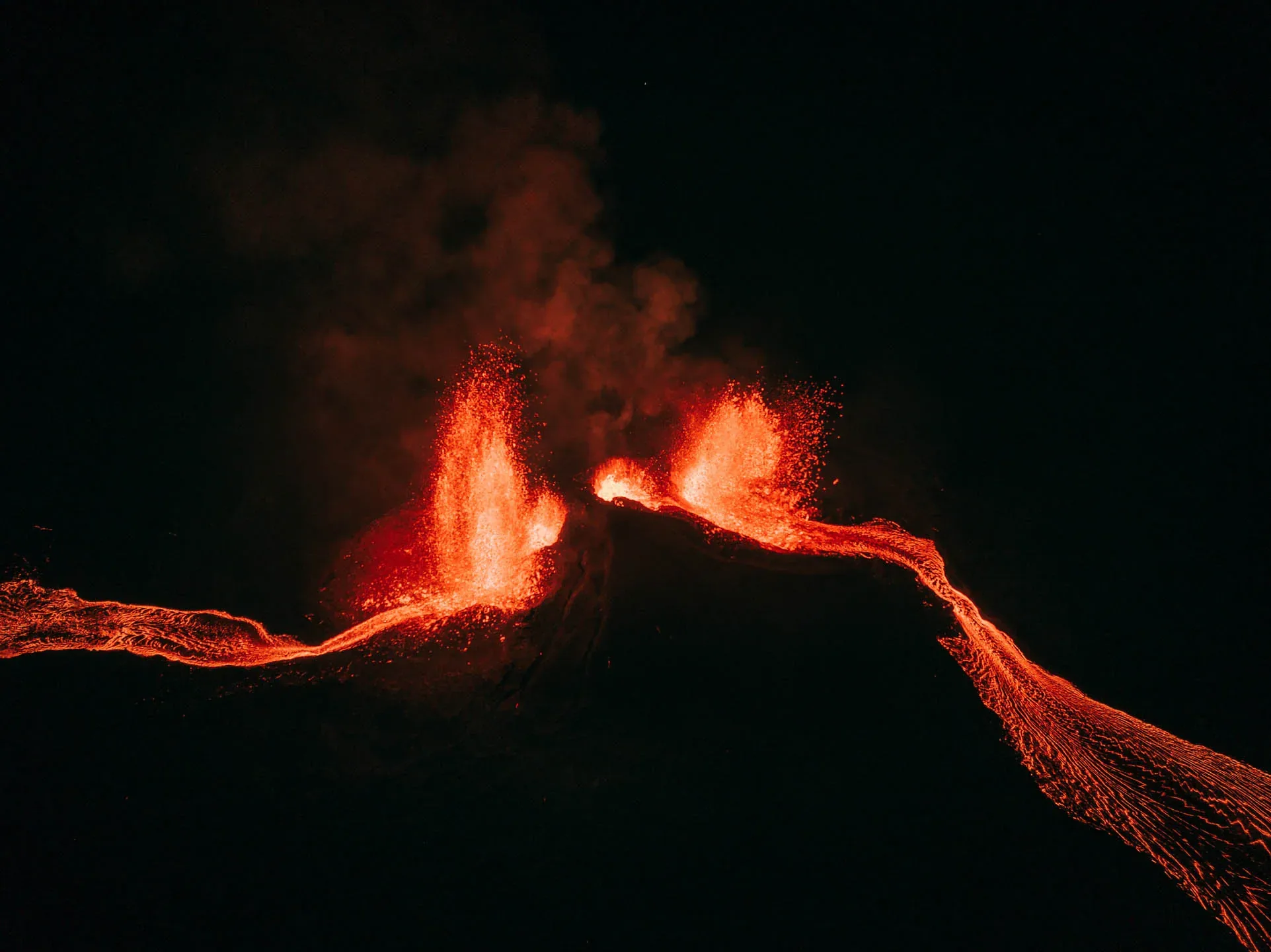
When the eruption began, it surprised many people with how calm it looked. Instead of a violent explosion, lava flowed steadily from long fissures in the ground. Lava fountains rose into the air, creating a dramatic but controlled display.
This calm behavior allowed people to safely observe the eruption from a distance. For many visitors, it became one of the most accessible volcano experiences Iceland has ever offered.
However, calm lava does not mean harmless consequences.
How the Reykjanes Peninsula Volcano Eruption Affected Grindavík
While the eruption itself appeared peaceful, the impact on Grindavík was devastating. Continuous earthquakes damaged homes, roads, and underground infrastructure long before lava approached the town.
Cracks opened beneath buildings. Water pipes and heating systems failed. Entire neighborhoods became unsafe. Authorities ordered evacuations, forcing residents to leave their homes with little certainty about when or if they could return.
Although lava diversion barriers later protected parts of the town, the emotional and financial damage was already severe. Grindavík became a powerful reminder that even calm volcanic eruptions can permanently change lives.
Why the Reykjanes Peninsula Volcano Eruption Was Different From Past Icelandic Eruptions
The Reykjanes Peninsula volcano eruption marked the return of long-term volcanic activity to the region after nearly 800 years of dormancy. Scientists believe this is not a single event, but the beginning of a volcanic cycle that could last decades.
Unlike eruptions under glaciers, this event produced no major ash cloud and caused far less air traffic disruption than some past Icelandic eruptions. This made it visually spectacular and scientifically valuable, while still posing serious risks to nearby communities.
Is Another Reykjanes Peninsula Volcano Eruption Expected
Experts have warned that more eruptions are likely. Magma remains active beneath the peninsula, and the region continues to experience earthquake swarms.
Future eruptions may occur along different fissures within the same volcanic system. While scientists can monitor warning signs, the exact timing of each eruption cannot be predicted.
For travelers, this means Iceland’s volcanic story is far from over.
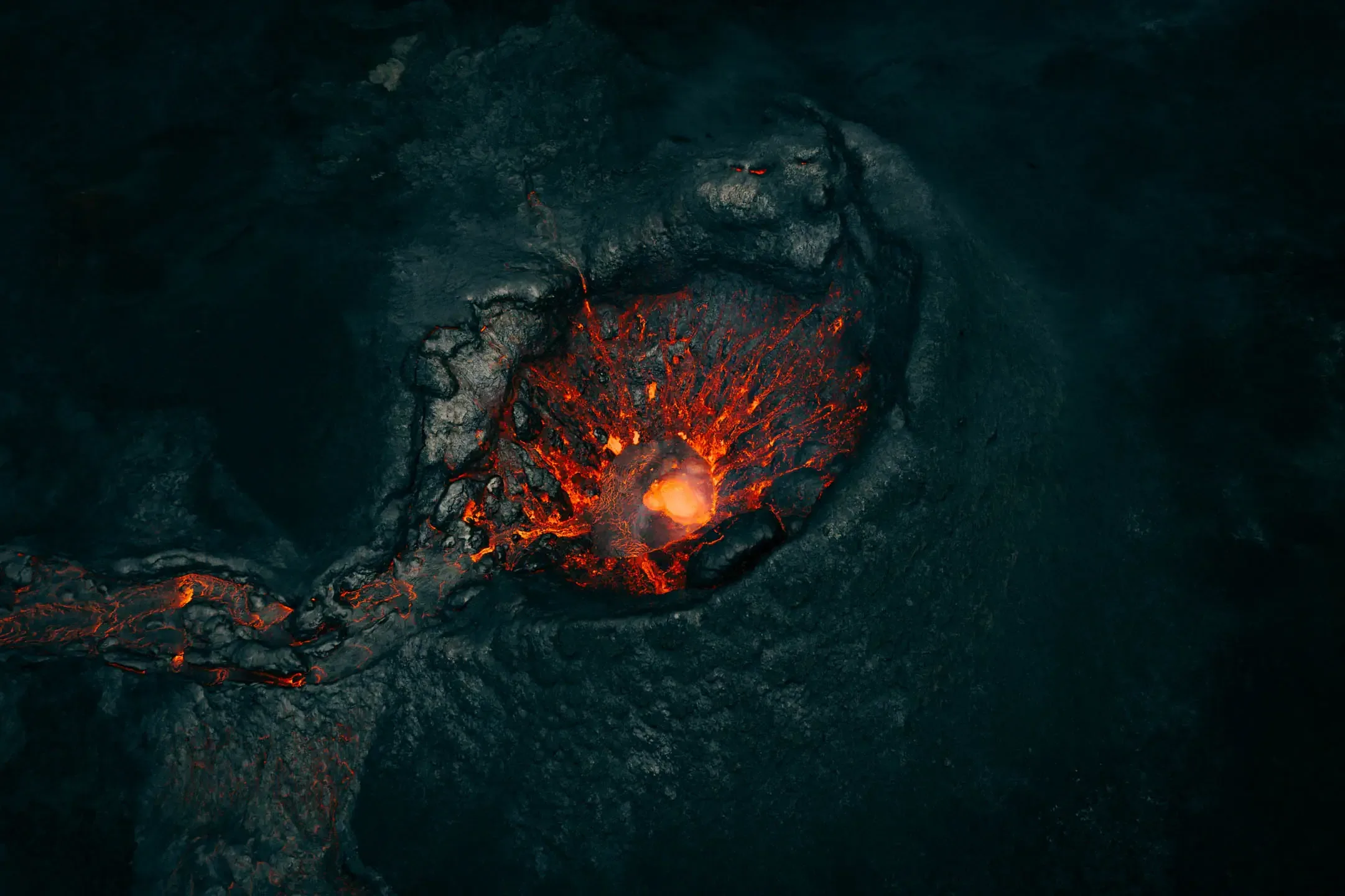
Can You Visit the Reykjanes Peninsula Volcano Eruption Area Safely
Access to eruption sites changes frequently depending on conditions. Authorities may close areas with little notice. Visitors should never approach lava flows or fissures without official approval.
Before visiting the Reykjanes Peninsula, always check official safety and road updates:
Respect closures, warning signs, and local guidance at all times.
Why the Reykjanes Peninsula Volcano Eruption Changed How People See Iceland
The Reykjanes Peninsula volcano eruption gave people a rare opportunity to witness volcanic activity up close. At the same time, it showed the human cost of living in an active geological zone.
For Icelanders, it reshaped daily life. For visitors, it offered a deeper understanding of the forces that continue to shape the island.
This eruption was not just a natural spectacle. It was a defining moment in Iceland’s modern volcanic history.
Planning a Visit to Volcanic Iceland After the Reykjanes Peninsula Volcano Eruption
If you are planning to explore Iceland independently, understanding its volcanic systems adds context to every landscape you see. Lava fields, steaming ground, and earthquake-shaped terrain are not distant history. They are active processes still unfolding today.
You may also find these guides useful:
Frequently Asked Questions About the Reykjanes Peninsula Volcano Eruption
Was the Reykjanes Peninsula eruption the Keflavík volcano?
No. The eruption occurred near Grindavík within the Reykjanes volcanic system. Keflavík is nearby but was not the eruption site.
Did the Reykjanes Peninsula volcano eruption damage Grindavík?
Yes. Earthquakes and ground movement caused serious damage to homes and infrastructure, leading to evacuations and long-term disruption.
Will there be more volcano eruptions on the Reykjanes Peninsula?
Scientists expect continued volcanic activity in the region for years or even decades.