

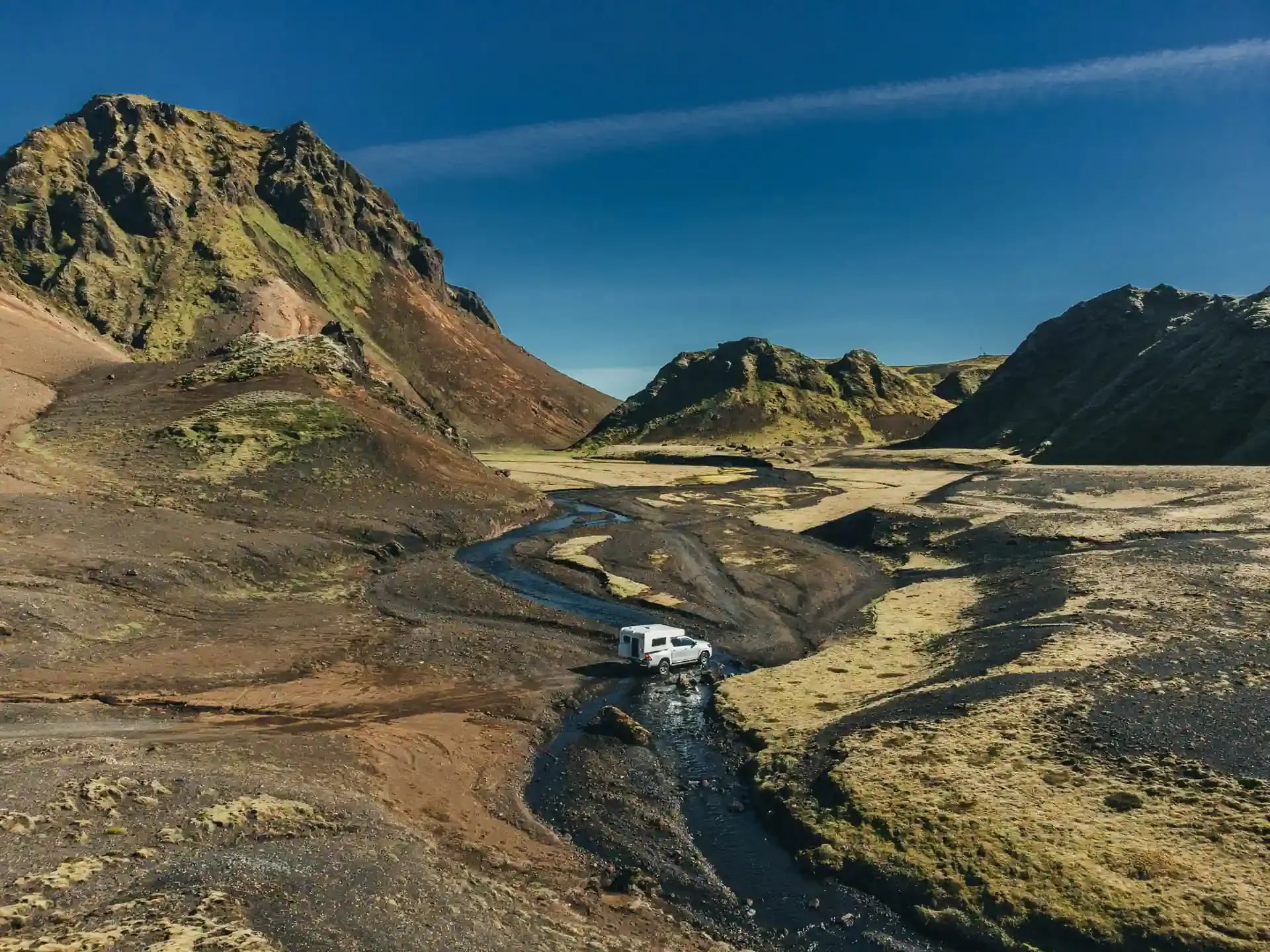
4x4 Rental Iceland · F-Roads · Highlands
Rent a 4x4 in Iceland: Complete Highland & F-Road Guide
Which vehicle you actually need, when F-roads open, how to cross rivers safely, and what your insurance does not cover.
Jun-SepMain F-road season
4x4Required on F-roads
0 ISKRiver damage covered
24/7Human support
Want a 4x4 with campervan comfort? Foxie Campers offers Highland-ready 4x4 campervans for travelers who want more freedom, proper sleeping space, cooking facilities, and support during the trip.
View Our 4x4 Fleet
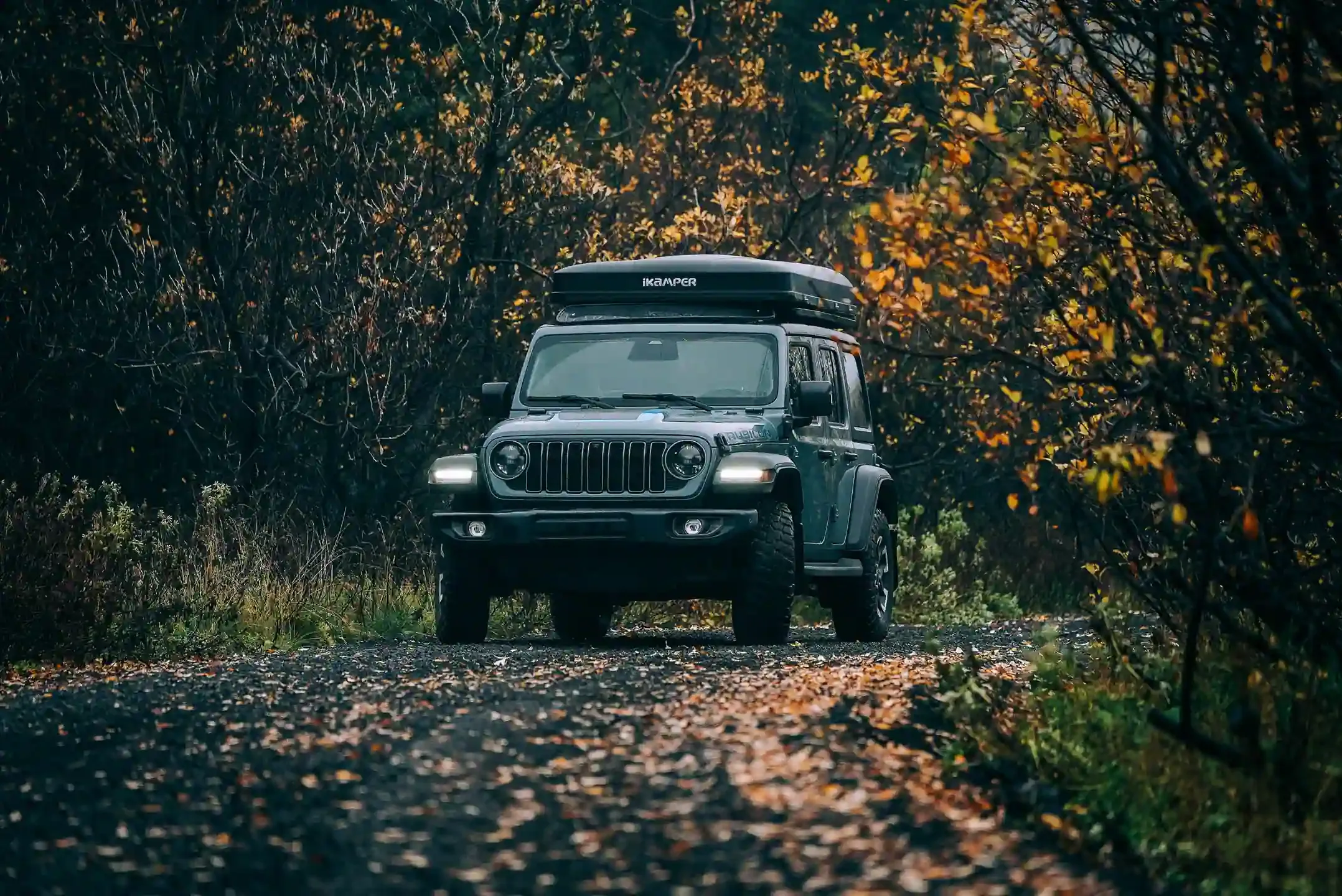
Do You Actually Need to Rent a 4x4 in Iceland?
The honest answer depends on your route, the season, and your driving experience. In summer, the Ring Road, Golden Circle, South Coast, and Snæfellsnes Peninsula are usually manageable with a standard 2WD car or campervan. However, for Highland F-roads, a proper 4x4 is legally required. In winter, the answer changes. Even if you never plan to enter the Highlands, a 4x4 gives better traction, more stability, and more confidence on icy roads, snow-covered passes, and exposed rural routes.| Route or Area | Summer | Winter | Best Choice |
|---|---|---|---|
| Golden Circle | 2WD usually enough | 4x4 advised | 2WD in summer, 4x4 in winter |
| South Coast | 2WD usually enough | 4x4 advised | 4x4 if traveling in winter or bad weather |
| Ring Road | 2WD possible | 4x4 strongly advised | 4x4 for comfort and safety |
| Westfjords | 2WD possible, 4x4 safer | 4x4 strongly advised | 4x4 recommended |
| Highland F-roads | 4x4 legally required | Closed | Approved 4x4 only |
Simple rule: If your route includes an F-road, you need an approved 4x4. If your route includes winter mountain passes, remote areas, or long rural drives, a 4x4 is strongly recommended even on normal roads.
What Are F-Roads in Iceland?
F-roads are Iceland’s mountain roads. The letter “F” stands for “fjall,” meaning mountain in Icelandic. These routes lead into the Highlands, where road conditions are very different from normal paved roads. You may face loose gravel, rocks, steep climbs, washboard surfaces, deep potholes, narrow bridges, and river crossings. Because of these conditions, two-wheel-drive vehicles are not allowed on F-roads. Rental companies also restrict which vehicles may enter them. Some small AWD crossovers may look capable, but that does not automatically mean they are approved for Highland driving.
Important: Driving a non-approved vehicle on an F-road can void your insurance. If damage happens there, the renter may be fully responsible for repairs, recovery, towing, and loss of rental income.
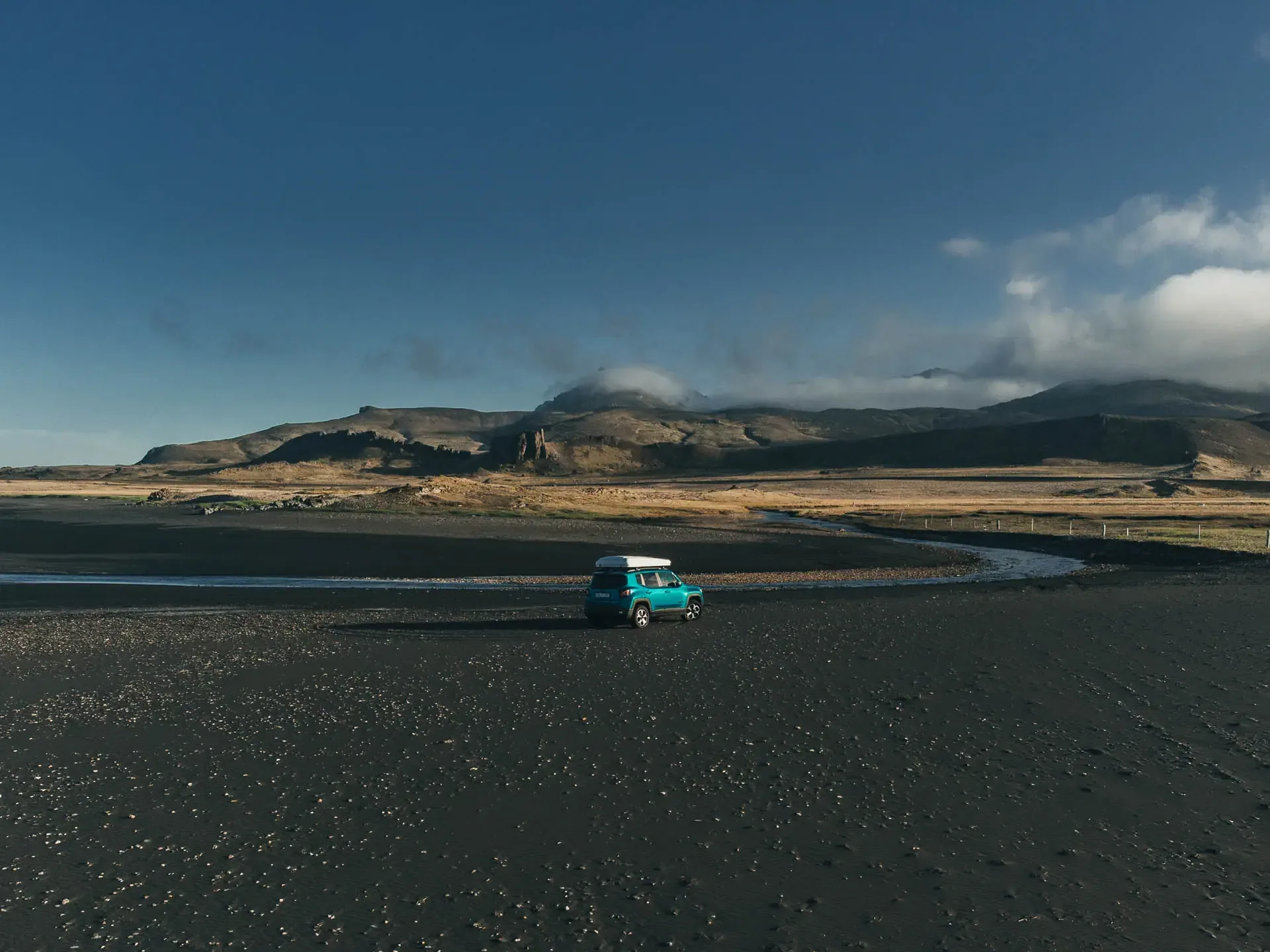
Choosing the Right 4x4 Rental in Iceland
Not all 4x4 vehicles are equal. A compact 4x4 may be fine for easier Highland routes, while deeper river crossings and remote interior roads require higher clearance, stronger suspension, and better off-road capability.Compact 4x4 SUV
Best for easier F-roads Good for routes like F35 in good weather. Better for travelers who want Highland access without choosing the most expensive vehicle.4x4 Campervan
Best for freedom and comfort Combines sleeping space, cooking equipment, storage, heating, and Highland road capability. Ideal for multi-day routes with limited accommodation.High-Clearance 4x4
Best for hard routes Needed for more serious Highland travel, larger river crossings, and remote routes such as Askja or Sprengisandur.AWD vs 4x4 in Iceland
This is one of the biggest points of confusion. AWD is useful on slippery roads, but it does not always mean the vehicle is suitable for Highland F-roads. A true 4x4 usually has better clearance, stronger drivetrain capability, and is more suitable for rough terrain. Before booking, ask the rental company this direct question: “Is this exact vehicle approved for the F-roads I plan to drive?” Do not rely only on the vehicle name, body style, or marketing photo.Best F-Road Routes When You Rent a 4x4 in Iceland
Iceland’s F-roads range from beginner-friendly gravel crossings to serious routes for experienced drivers only. The right route depends on your vehicle, weather, river levels, and confidence.Easy
F35 Kjölur
One of the easiest Highland crossings. It usually has no major river crossings and is a good first F-road for careful drivers in suitable vehicles.Medium
F208 North to Landmannalaugar
A popular route to one of Iceland’s most famous Highland areas. Conditions vary, and some approaches are easier than others.Medium
F225 Landmannaleið
A scenic alternative route toward Landmannalaugar. It can be rougher and quieter, so it suits drivers with more confidence.Hard
F88 to Askja
A remote route with river crossings and long distances. This is not recommended for first-time Highland drivers.Hard
F26 Sprengisandur
One of the most serious Highland crossings. You need a strong vehicle, full fuel tank, stable weather, and proper preparation.Choose your vehicle based on the hardest section of your route, not the easiest.
When Do F-Roads Open in Iceland?
F-roads do not open on a fixed date. Vegagerðin, the Icelandic Road and Coastal Administration, opens each route after snowmelt and road inspections. Some roads open in late May or early June, while higher and more remote roads may not open until late June or July. Rain, snow, thawing ground, and river levels can delay openings or cause temporary closures during the season. This means you must check the current road status before driving, even if a route was open the day before.Typical F-Road Opening Periods
| Route | Typical Opening | Typical Closing | Difficulty |
|---|---|---|---|
| F35 Kjölur | Late May to early June | September to October | Easy to medium |
| F208 Landmannalaugar | Mid June to late June | September | Medium |
| F225 Landmannaleið | Mid June to July | September | Medium |
| F88 Askja | Late June to July | September | Hard |
| F26 Sprengisandur | Late June to July | September | Hard |
Always check before driving: Use road.is for road conditions, vedur.is for weather, and SafeTravel.is for travel alerts.
River Crossings: The Biggest Risk on F-Roads
River crossings are the most dangerous part of Highland driving. Icelandic glacial rivers can change quickly because of rainfall, temperature, and glacial melt. A river that looks manageable in the morning can become unsafe later in the day.
Critical rule: If you are not completely sure a river is safe, do not cross it. Turn back. Water damage is not covered by standard rental insurance, and repairs can be extremely expensive.
How to Approach a River Crossing
- Stop before the river and inspect the crossing carefully.
- Check the depth, current speed, and riverbed surface.
- Watch another suitable vehicle cross first if possible.
- Cross slowly and steadily without stopping mid-river.
- Never cross water that reaches too high on the wheels.
- Never enter a river with strong current or unclear depth.
- Turn back if conditions feel uncertain.
Insurance When You Rent a 4x4 in Iceland
Insurance is one of the most misunderstood parts of renting a 4x4 in Iceland. Many travelers assume “full insurance” covers every situation, but this is not true. Certain types of damage are normally excluded, especially river damage, off-road driving, and damage caused by ignoring road restrictions.| Damage Type | Usually Covered? | Important Note |
|---|---|---|
| Collision damage on permitted roads | Usually yes | Subject to excess and rental terms. |
| Gravel chips to glass or paint | Only with gravel protection | Common on Icelandic gravel roads. |
| Sand and ash damage | Only with specific protection | Important in windy areas, especially the south coast. |
| River or water damage | No | Normally excluded by all rental companies. |
| Off-road driving damage | No | Off-road driving is illegal in Iceland. |
| Driving a non-approved vehicle on F-roads | No | This can void insurance completely. |
Bottom line: No protection package should be treated as permission to take unnecessary risks. Insurance reduces financial exposure for covered events, but it does not cover careless driving, illegal routes, or water damage.
Should You Rent a 4x4 Campervan in Iceland?
A 4x4 campervan can be one of the best options for travelers who want to explore Iceland with flexibility. It combines Highland access with sleeping space, cooking equipment, storage, heating, and the ability to stay close to remote areas without relying only on hotels. This is especially useful for multi-day Highland routes, photography trips, northern lights travel, and flexible itineraries where weather can force last-minute changes.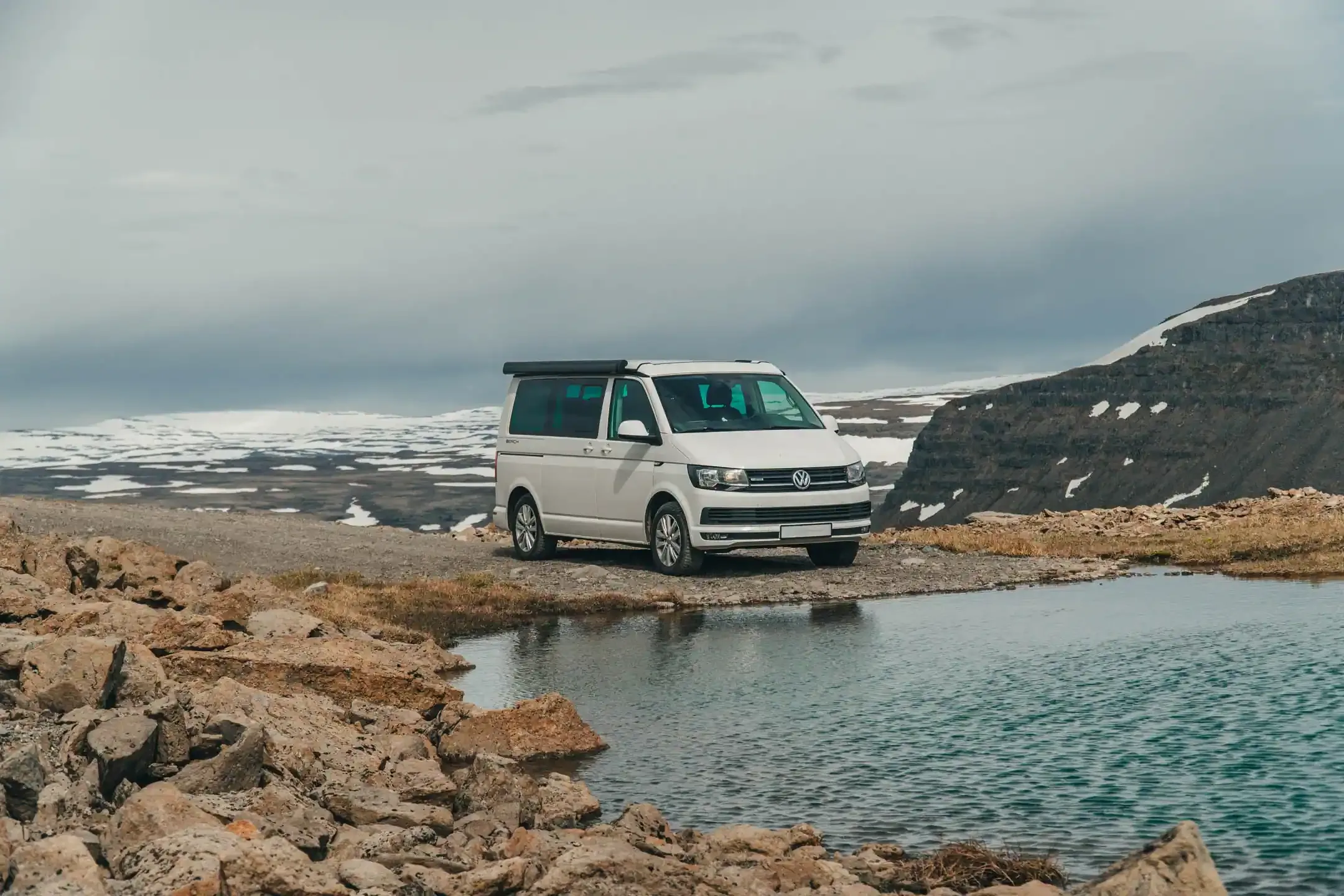
Best For
- Travelers who want both transport and accommodation.
- Photographers who want early starts and late finishes.
- Couples, friends, and families planning flexible road trips.
- Visitors who want to explore beyond the easiest tourist routes.
Not Ideal For
- Travelers who only plan to stay in hotels.
- People uncomfortable driving larger vehicles.
- Drivers planning extreme F-roads without enough experience.
How Much Does It Cost to Rent a 4x4 in Iceland?
The cost depends on season, vehicle type, rental length, insurance package, and how early you book. Summer prices are usually highest because demand is strongest and Highland roads are open.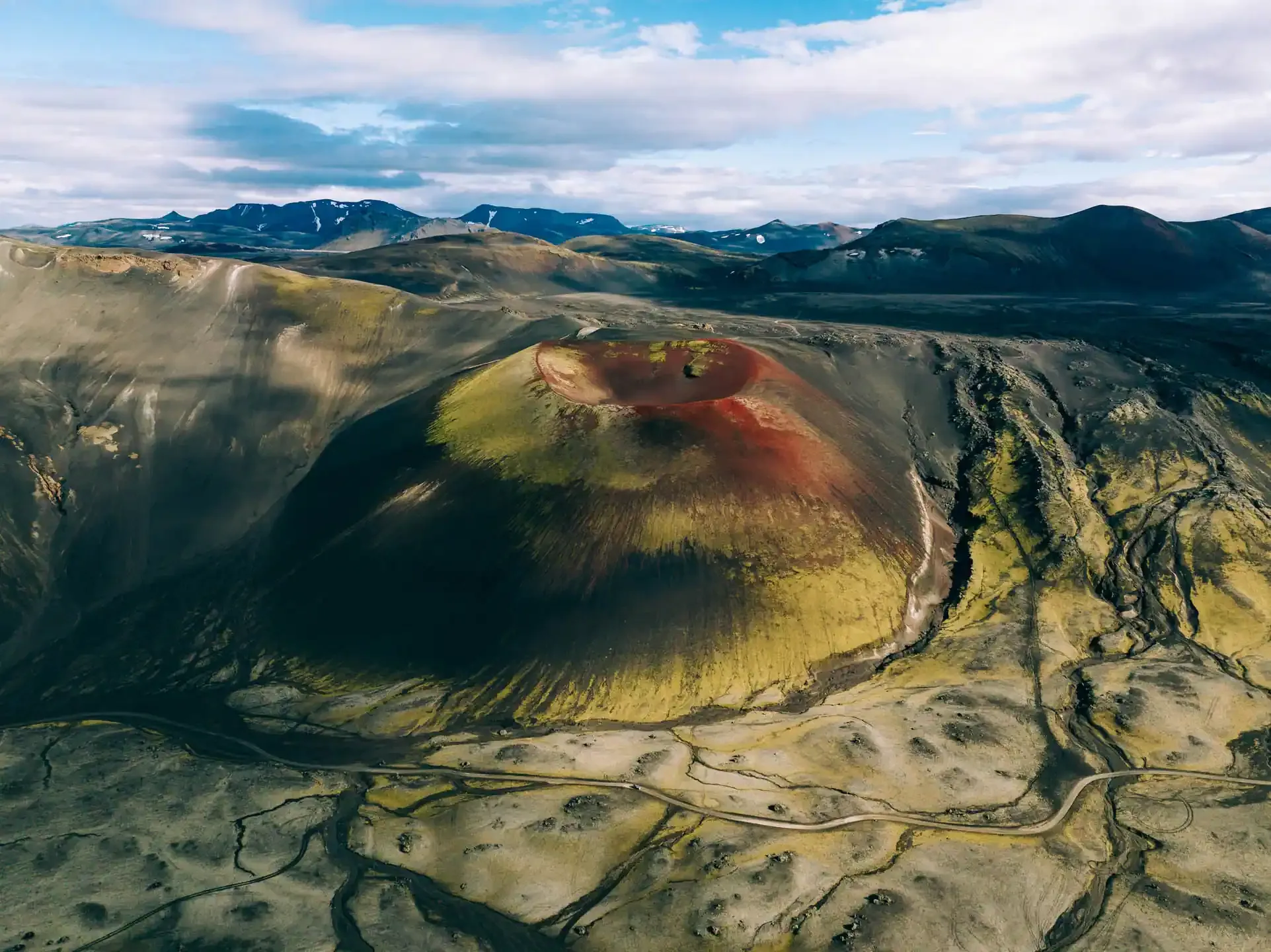
| Vehicle Type | Typical Daily Price | Best For |
|---|---|---|
| Compact 4x4 SUV | Lower to mid range | Budget Highland access and easier F-roads |
| 4x4 Campervan | Mid to premium range | Accommodation plus route flexibility |
| Large high-clearance 4x4 | Premium range | Harder Highland routes and serious terrain |
Highland Driving Checklist Before You Leave
The Highlands are beautiful, but they are remote. There may be no fuel stations, limited phone signal, and long distances between services. Preparation matters.Route and Safety Checks
- Check road.is for road status and closures.
- Check vedur.is for weather and wind warnings.
- Check SafeTravel.is for travel alerts.
- Download the 112 Iceland app before entering remote areas.
- Tell someone your route and expected return time.
- Confirm the vehicle is approved for your exact F-roads.
Vehicle and Supplies Checks
- Start with a full fuel tank.
- Carry food and water for longer than planned.
- Pack warm clothing, even in summer.
- Check that spare tire and emergency tools are present.
- Keep your phone charged and carry a power bank.
- Never rely only on mobile signal in the Highlands.
Why Rent a 4x4 in Iceland in Winter?
F-roads close in winter, but a 4x4 can still be valuable. Winter roads in Iceland can include black ice, snow, sudden wind, poor visibility, and changing road closures. A 4x4 does not make winter driving risk-free, but it can provide better traction and stability than a standard 2WD vehicle. A 4x4 is especially useful for winter trips to the Westfjords, North Iceland, East Iceland, and rural northern lights routes. You still need to drive carefully, check road conditions daily, and avoid driving during severe weather warnings.
Winter tip: In winter, start driving later in the morning when road clearing and salting have had more time to work. Black ice is often hardest to see early in the day.
Common Mistakes to Avoid
- Assuming AWD means the vehicle is approved for F-roads.
- Entering a river crossing without checking depth and current.
- Ignoring road closures because the map still shows a route.
- Driving off-road to reach a photo spot.
- Booking the cheapest vehicle without checking route restrictions.
- Forgetting that water damage is normally excluded from insurance.
- Planning too many kilometers in one Highland day.
- Driving into remote areas without checking fuel, weather, and road status.
Is Renting a 4x4 in Iceland Worth It?
Yes, if your route includes the Highlands, F-roads, winter travel, remote areas, or you simply want more flexibility. A 4x4 can open routes that standard cars cannot legally access and can make difficult conditions easier to manage. However, a 4x4 is not magic. It does not allow off-road driving, it does not make river crossings safe, and it does not replace good judgment. The best Iceland road trips come from matching the right vehicle with the right route and the right weather window.Need Help Choosing the Right 4x4?
Tell us your travel dates, group size, and planned route. We can help you choose a vehicle that fits your trip, your comfort level, and the roads you want to drive. Ask Foxie CampersFrequently Asked Questions About Renting a 4x4 in Iceland
Do I need to rent a 4x4 in Iceland for the Ring Road?
In summer, you usually do not need a 4x4 for the Ring Road. A standard 2WD vehicle is normally enough for the main route. In winter, a 4x4 is strongly recommended because of ice, snow, wind, and changing road conditions.
Is a 4x4 mandatory for F-roads in Iceland?
Yes. F-roads require an approved 4x4 vehicle. Driving a 2WD vehicle on F-roads is not allowed and can void rental insurance. Always confirm that your exact rental vehicle is approved for the F-roads you plan to drive.
When do F-roads open in Iceland?
Most F-roads open between late May and July, depending on snowmelt, weather, and road inspections. The exact dates change every year. Always check road.is before driving because roads can close again during the season.
Does rental insurance cover river crossing damage in Iceland?
No. River and water damage are normally excluded from rental insurance in Iceland, even with upgraded protection packages. If a river crossing looks uncertain, the safest decision is to turn back.
Can I drive off-road with a 4x4 in Iceland?
No. Off-road driving is illegal in Iceland, even with a 4x4. You must stay on marked roads and tracks to protect fragile nature and avoid fines, damage charges, and insurance problems.
What is the easiest F-road for first-time Highland drivers?
F35 Kjölur is often considered one of the easier Highland routes because it usually has no major river crossings. Conditions still change, so drivers must check road status, weather, and rental approval before going.
Can I rent a 4x4 campervan in Iceland?
Yes. A 4x4 campervan is a strong option for travelers who want Highland access together with sleeping space, cooking equipment, storage, heating, and flexible route planning.