


Best Time to Visit Iceland: A Complete Seasonal Guide
Choosing the best time to visit Iceland depends on the experience you want. Some travelers visit for summer road trips under the midnight sun, while others prefer winter landscapes and northern lights.
Iceland changes dramatically throughout the year. Weather conditions, daylight hours, wildlife, and road accessibility vary by season. Understanding these differences helps you plan the perfect trip.
This guide explains the best time to visit Iceland depending on weather, activities, road conditions and travel style.
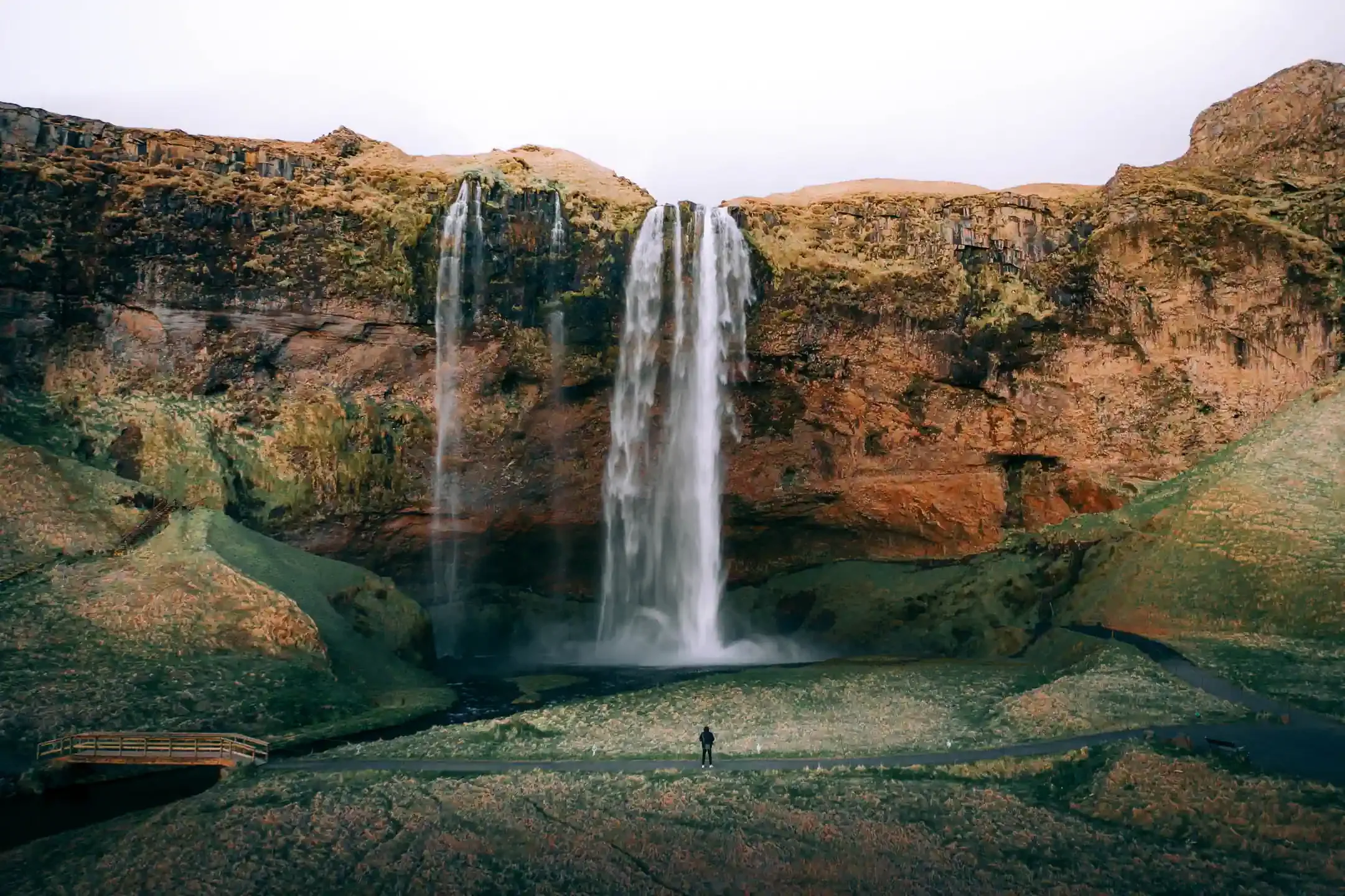
Quick Answer: Best Time to Visit Iceland
The best time to visit Iceland depends on your travel goals.
- June–August – best for road trips, hiking and midnight sun
- September–March – best season for northern lights
- May and September – fewer tourists and balanced weather
- Winter – snow landscapes and ice cave tours
Most travelers planning a Ring Road adventure choose summer because road conditions are easier and daylight lasts almost 24 hours.
Best Time to Visit Iceland for Different Experiences
There is no single perfect season. The best time to visit Iceland depends on the activities you want to experience.
- Summer (June–August) – best for road trips and hiking
- Spring (April–May) – fewer tourists and improving weather
- Autumn (September–October) – northern lights begin
- Winter (November–March) – snow landscapes and ice caves
Before traveling it is always wise to check Iceland’s official weather forecast on
vedur.is.

Summer in Iceland (June to August)
For many travelers, summer is the best time to visit Iceland. Temperatures are milder, roads across the island are accessible, and daylight lasts nearly all night.
What Makes Summer Special
- Midnight sun and extremely long daylight hours
- Best conditions for driving the Ring Road
- Highland roads open for 4x4 adventures
- Wildlife including puffins and whales
Because of the long daylight hours, summer is ideal for road trips. Travelers can explore waterfalls, glaciers and black sand beaches without worrying about darkness.
If you are planning a road trip, you may also enjoy our complete guide to the
Iceland campervan itinerary.
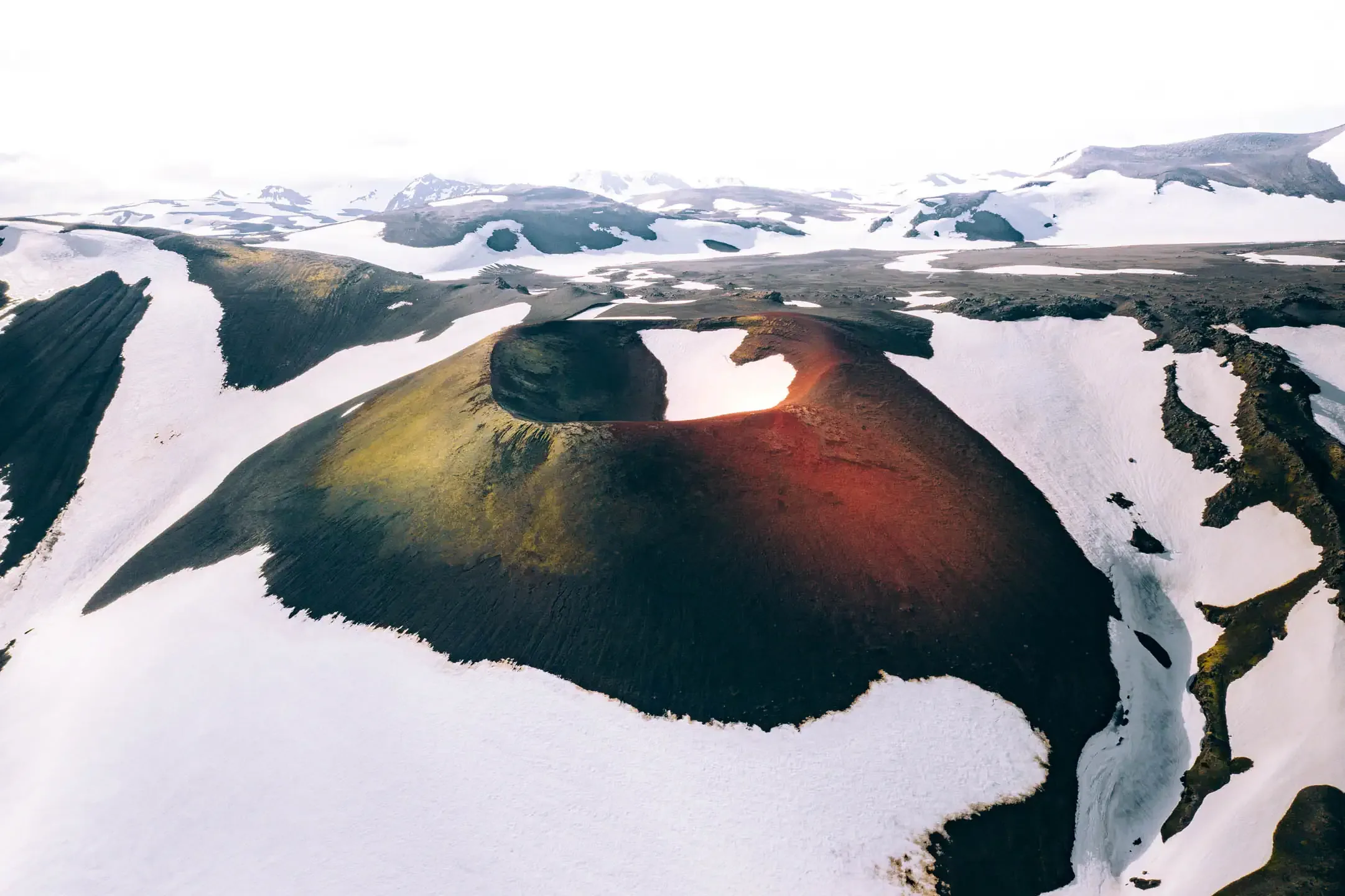
Autumn in Iceland (September to October)
Autumn is one of Iceland’s most underrated seasons. Tourist numbers decrease after summer, but road access remains relatively good.
September is often considered one of the best times to visit Iceland because it combines summer accessibility with the beginning of northern lights season.
Why Visit in Autumn
- First northern lights appear
- Fewer crowds at major attractions
- Colorful landscapes and dramatic skies
- Lower travel prices compared to peak summer
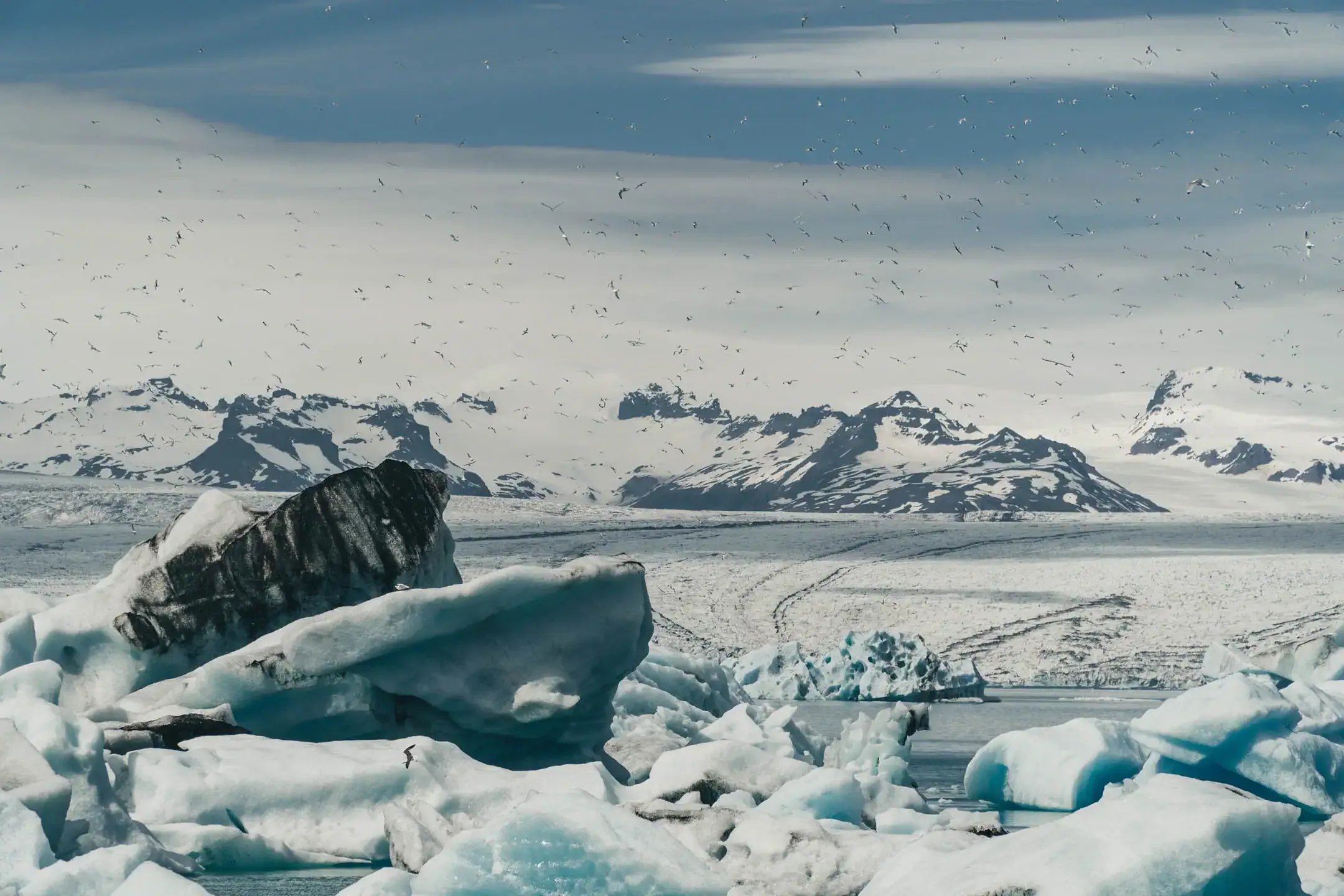
Winter in Iceland (November to March)
Winter transforms Iceland into a dramatic frozen landscape. Snow-covered mountains, frozen waterfalls and icy glaciers create unforgettable scenery.
For travelers hoping to see the aurora borealis, winter is often the best time to visit Iceland.
Winter Highlights
- Northern lights viewing
- Ice cave tours inside glaciers
- Snow-covered landscapes
- Frozen waterfalls and winter photography
During winter travel it is essential to monitor road conditions at
road.is
and follow safety guidance from
SafeTravel Iceland.
Spring in Iceland (April to May)
Spring marks the transition between winter and summer. Snow melts, waterfalls become powerful from glacier melt, and wildlife begins returning to coastal cliffs.
For travelers who want fewer crowds, spring can be a pleasant time to visit Iceland.
Spring Travel Advantages
- Fewer tourists
- Longer daylight hours than winter
- Lower travel costs
- Beginning of puffin season
Best Time to Visit Iceland for Road Trips
If your goal is to explore the island by car, the best time to visit Iceland is usually between late May and early September.
During this period:
- Most roads are open
- Weather conditions are more stable
- Daylight hours are extremely long
- Camping and outdoor travel are easier
This makes summer the most popular season for campervan travel and Ring Road adventures.
If you are considering traveling by campervan, you can explore
campervan rental options in Iceland.
Before traveling, make sure you understand Iceland’s camping regulations:
campervan sleeping rules in Iceland.
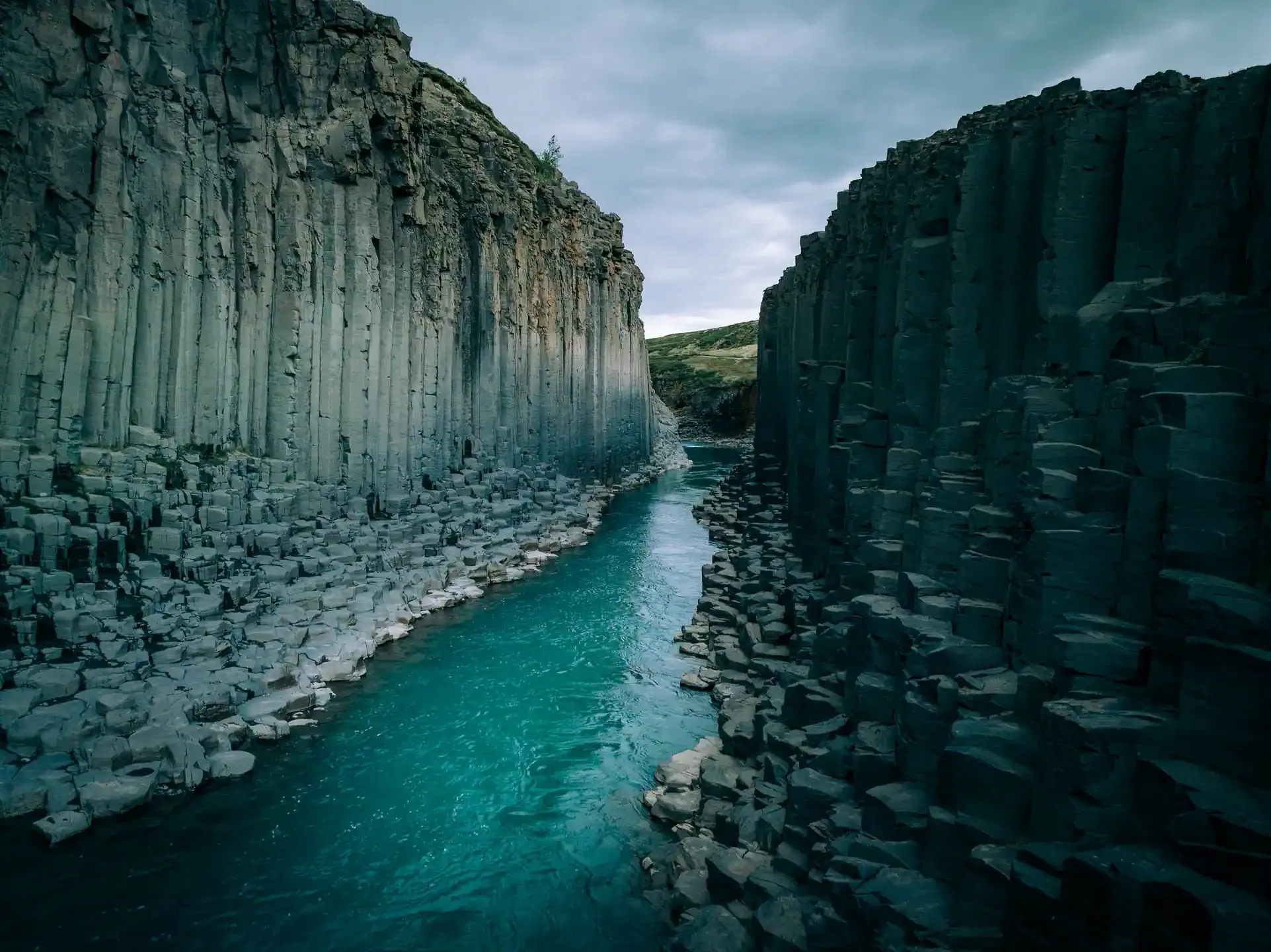
Best Month to Visit Iceland
If you had to choose a single month, many travelers consider June or September.
June
- Midnight sun
- Open highland roads
- Excellent travel conditions
September
- Beginning of northern lights season
- Fewer tourists
- Good driving conditions
Final Thoughts: When Should You Visit Iceland
The best time to visit Iceland ultimately depends on the experiences you want. Summer offers long road trips and easy travel conditions, while winter provides northern lights and frozen landscapes.
No matter the season, Iceland’s nature is powerful and unforgettable.